 12 Jul, 2026
Wire or No Wire? The Cable Row That Has Norway Fuming and England in the Semis
England are in the World Cup semi-finals after a 2-1 extra time win over Norway, but the talking point is a camera cable. Did Nyland’s goal kick clip the Spidercam wire before Bellingham equalised? FIFA say the chip in the ball proves not.
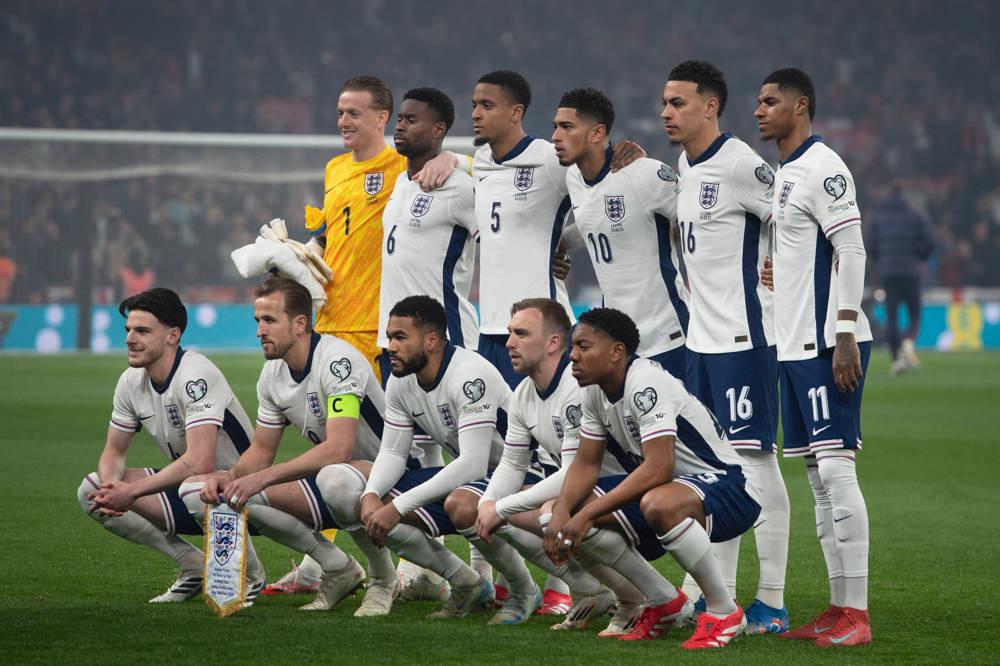
England are through to a World Cup semi-final, but the biggest talking point from Miami is not Jude Bellingham’s brace. It is a camera cable, a chip inside a football, and a decision that was never made.
England beat Norway 2-1 after extra time at the Hard Rock Stadium on Saturday to reach the semi-finals of the 2026 World Cup, where Argentina await in Atlanta on Wednesday. Jude Bellingham scored both goals. Yet the story dominating the aftermath is not the Real Madrid midfielder’s sixth and seventh strikes of the tournament. It is a thin steel wire suspended above the pitch.
What actually happened
Norway had led through Andreas Schjelderup, who turned in a cross-shot off the post in the 36th minute after Harry Kane was dispossessed inside the England half. Stale Solbakken’s side were the better team for long spells of a stiflingly humid Florida afternoon, and Jordan Pickford, making a record 18th World Cup appearance for England, had already been called into action to deny Martin Odegaard.
Then came the moment that will be replayed for years. Norway goalkeeper Orjan Nyland launched the ball long from a restart deep in first-half stoppage time. On the way down, the flight of the ball appeared to alter sharply. Television footage suggested it had clipped one of the cables that suspend the robotic overhead camera above the playing surface.
The ball dropped to Elliot Anderson, England moved it forward, and the move ended with Bellingham beating Nyland with a low finish to the far post. Level at 1-1, second minute of added time, momentum flipped. Nyland slapped the turf. He, Erling Haaland and Solbakken were all in referee Clement Turpin’s ear at the whistle.
The law, and why it matters
This is not a grey area in the Laws of the Game. Contact between the ball and an overhead camera or its cabling counts as outside interference. Play should be stopped immediately and restarted with a dropped ball. Had the contact been spotted, the passage of play would have been dead long before Bellingham struck, and the goal could not have stood.
Play was not stopped. It is also unclear whether video assistant referee Jerome Brisard looked at the incident at all. Former Premier League referee Mark Clattenburg, working as an analyst for FOX Sports, argued that the VAR had every right to intervene, because contact with a camera cable during an attacking phase of play leading to a goal falls inside the reviewable window. In his view, it should have been picked up.
FIFA leans on the chip
FIFA moved quickly to shut the debate down, and did so using the sensor embedded in the official match ball. The governing body said that before England’s goal in the 45th minute plus two, the Connected Ball sensor showed no peak in what it called the heartbeat of the ball while it was in the air, and therefore no evidence of contact with the overhead wire.
It is worth noting that the same technology has already been decisive at this tournament. In Croatia’s defeat to Portugal, the sensor detected a touch off a Croatian player and confirmed an offside, wiping out what would have been an equaliser. FIFA are not reaching for a new toy here. They are pointing at a system they have leaned on all summer.
The problem is that a lot of people in the stadium believe their eyes. Solbakken admitted afterwards that he did not see the contact himself and conceded that if there was no sound and nothing in the chip data, he has no argument to make. But he also said that his players, including Nyland and the player waiting to receive the ball, all felt it dropped out of the sky in a way a football simply does not. Asked whether the camera wire deserved an assist for the equaliser, he did not exactly rush to disagree.
The other flashpoints
The cable was not the only VAR talking point in Miami. Norway thought they had a second goal early in the second half when Torbjorn Heggem forced the ball home from a corner, only for the referee to rule it out after review for a Haaland push in the build-up. England, in turn, had a late penalty appeal for a challenge on Djed Spence turned down after the officials went back to the monitors.
For the neutral, that adds up to a quarter-final decided as much in the video room as on the grass. For Norway, in their first World Cup quarter-final and the furthest they have ever gone at a major tournament, it will feel like a good deal worse than that.
Where this leaves us
England are in a fourth World Cup semi-final and a first since 2018, and Bellingham has now dragged them through two knockout ties on the spin. On the balance of the 120 minutes, Norway will feel they deserved more. The expected goals told a tight story, and Nyland’s spilled save from Morgan Rogers, which Bellingham pounced on three minutes into extra time, was the sort of error that decides tournaments.
But the wider question is the one that will not go away. If the technology and the broadcast footage disagree, which one wins? FIFA have picked their answer. Norway have picked theirs. The rest of us get to argue about it until Wednesday, when England face the defending champions and, presumably, a whole new set of talking points.
