10 Jul, 2026
Stutter-Step Penalties: Do They Actually Miss More?
Does the stutter-step actually work, or is it a fast track to missing? We dive into the stats behind football’s most controversial penalty style.
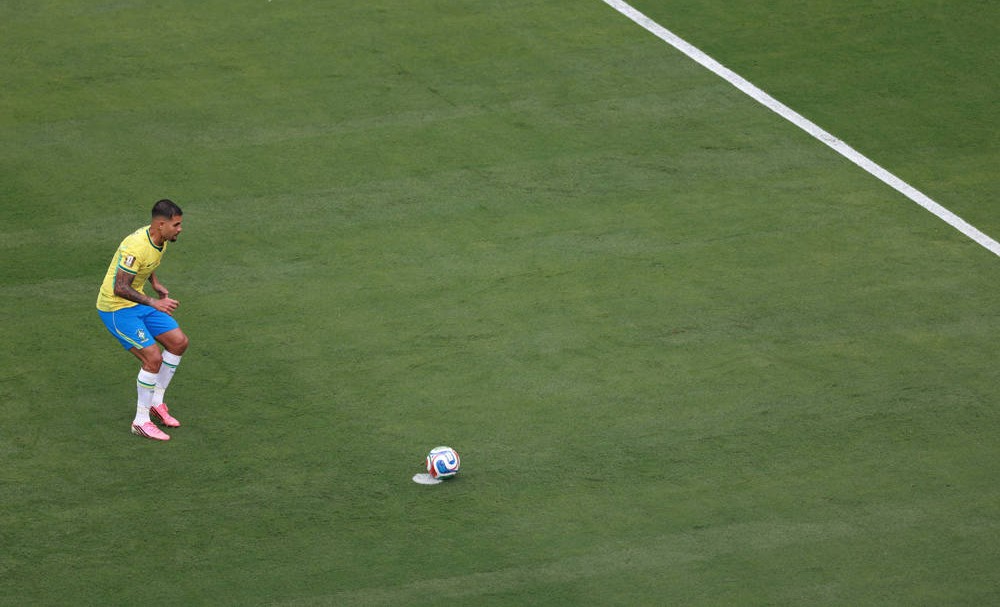
Few techniques in football divide opinion quite like the stutter-step penalty. Some fans see it as gamesmanship, others see it as unnecessary risk, but the data tells a far more nuanced story. Despite several high-profile misses in recent years, statistical research suggests that a well-executed stutter run-up is actually one of the most effective penalty-taking methods available.
The Theory Behind the Stutter
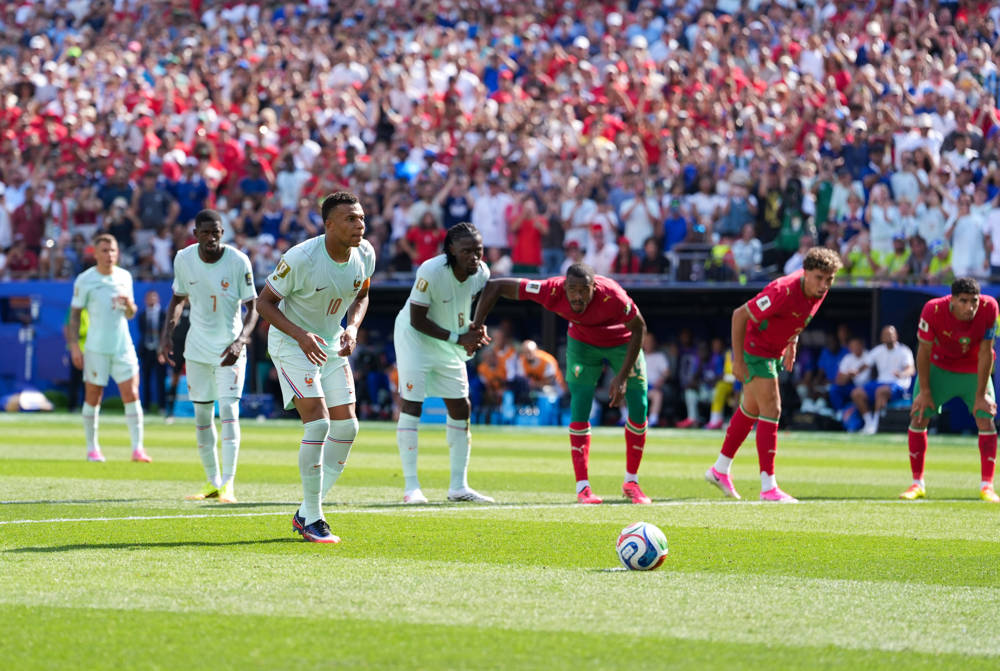
A traditional penalty is largely goalkeeper-independent. The taker decides where to place the ball before beginning the run-up and simply trusts their technique.
The stutter-step belongs to a different category. It is goalkeeper-dependent, meaning the taker deliberately slows or varies their stride to force the goalkeeper into committing first. Once the goalkeeper begins diving, the striker simply places the ball into the opposite side of the goal. Sports psychology research classifies these as two distinct penalty-taking strategies.
The approach is mentally demanding because the player is processing information until the final fraction of a second rather than executing a pre-planned strike.
The Numbers Say It Works

Perhaps surprisingly, the largest available datasets favour the stutter.
Analysis discussed during the 2026 World Cup found that penalties using a stutter or deliberate change of pace converted at around 80%, compared to roughly 76% for conventional run-ups in comparable datasets.
Professor Geir Jordet, one of football’s leading experts on penalty psychology, has also analysed multiple seasons of Premier League penalties. His research found that stuttering run-ups can provide up to a 10% improvement in conversion compared to more traditional techniques.
That advantage isn’t because players strike the ball better.
It’s because they force goalkeepers to make harder decisions.
Goalkeepers Hate Waiting

The goalkeeper has around 400 milliseconds to react once the ball is struck.
If they wait until contact, many penalties become physically impossible to save.
That creates a dilemma.
Dive early and risk being sent the wrong way.
Wait too long and never reach the shot.
Research examining hundreds of elite penalties found goalkeepers who moved early conceded significantly more often than those who delayed their movement, yet delaying also reduced the number of saves they could realistically make against powerful finishes.
The stutter-step is specifically designed to exploit this indecision.
Elite Specialists

Many of football’s greatest penalty takers have embraced variations of the technique.
Among them are:
- Robert Lewandowski
- Jorginho
- Bruno Fernandes
- Neymar
- Ivan Toney
- Raúl Jiménez
Jiménez may be the best modern example.
His trademark staggered run-up has helped him maintain one of the best penalty records in professional football, converting 43 of his first 45 senior penalties, including a perfect Premier League record at one stage.
Lewandowski’s routine is similarly based around delaying his final decision until the goalkeeper commits, while Jorginho’s famous hop serves the same psychological purpose.
Why Do Fans Think They Miss More?
This is where psychology becomes fascinating.
High-profile failures receive enormous attention.
When Lionel Messi, Harry Kane or Justin Kluivert miss with a stuttering run-up during a World Cup, those moments dominate social media for days.
Meanwhile, the thousands of successful stutter penalties disappear into the background.
Psychologists call this availability bias—people remember unusual failures far more vividly than routine successes.
As a result, many supporters genuinely believe stutter penalties fail more often despite large datasets suggesting the opposite.
There Is a Catch
Although the overall numbers favour stuttering, execution is everything.
Ball-striking experts frequently point out that slowing your stride makes producing a technically perfect strike more difficult.
A normal run-up allows rhythm, balance and maximum power.
A stutter sacrifices some of that mechanical efficiency in exchange for deception.
If the goalkeeper refuses to dive early, the taker is suddenly left trying to generate power from an awkward body position.
That explains why poor stutter penalties often look particularly weak.
Run-Up Length Matters Too
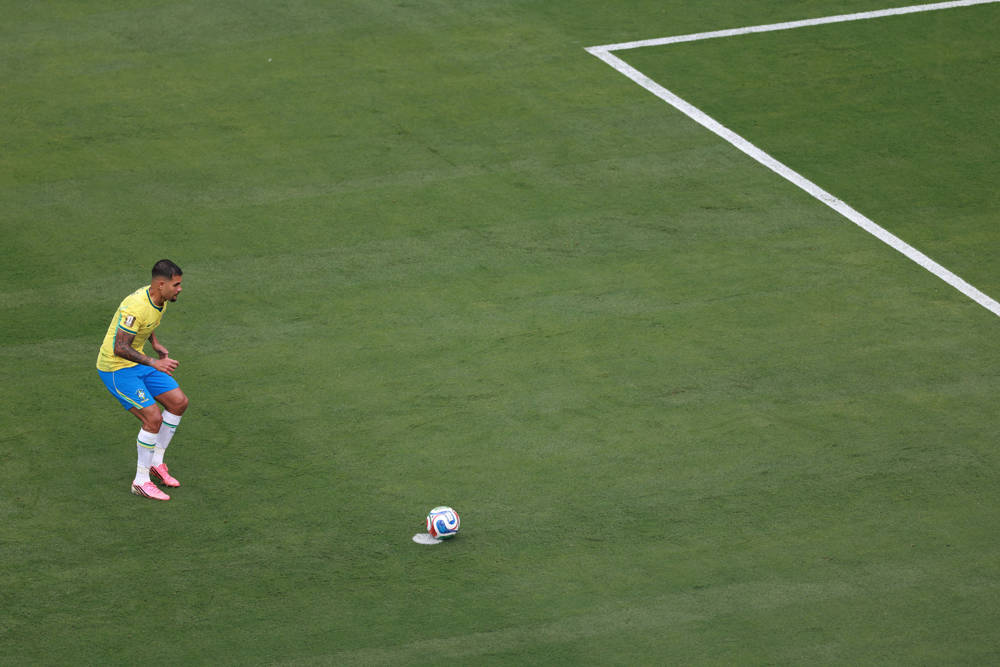
One of the largest academic studies, analysing more than 1,700 penalties across England, Spain, Germany and Italy, found another interesting trend.
Longer run-ups (more than six steps) were consistently associated with greater success across all four major leagues.
Short run-ups offered no significant advantage.
The extra distance appears to help players generate more power while still giving them the opportunity to disguise timing if they wish.
Many elite stutter specialists combine both ideas—a long approach followed by a slight deceleration before striking.
The Laws of the Game
One of football’s biggest myths is that stuttering is illegal.
It isn’t.
Under IFAB’s Laws of the Game, feinting during the run-up is perfectly legal.
What is prohibited is feinting after completing the run-up, effectively pretending to kick once the striking motion has begun.
If a player does this, the penalty is recorded as missed and the kicker is cautioned.
That distinction explains why routines from players such as Lewandowski or Jorginho remain legal despite looking theatrical.
Other Factors: Pressure Changes Everything
| Competition | Approx. conversion rate |
|---|---|
| Top European club football (league & cup, in-game penalties) | 76–80% |
| Historical World Cup (normal & extra time only, since 1978) | 79.1% |
| World Cup penalty shootouts | 69.4% |
| 2026 World Cup (all penalties including shootouts) | 66.1% – the lowest on record since 1966 |
Penalty shootouts tell a different story.
Across roughly 50,000 professional penalties, conversion rates are significantly lower in shootouts than during normal play. As well as the World Cup compared to club football.
Researchers attribute this primarily to poorer execution and increased pressure from penalty takers rather than improved goalkeeping or ball striking.
The implication is important.
A technique requiring additional composure—such as a stutter-step—may become harder to execute under extreme psychological pressure.
This helps explain why the method can appear inconsistent during major international tournaments despite performing well across league football.
Does the Position of the Player Taking it Matter?
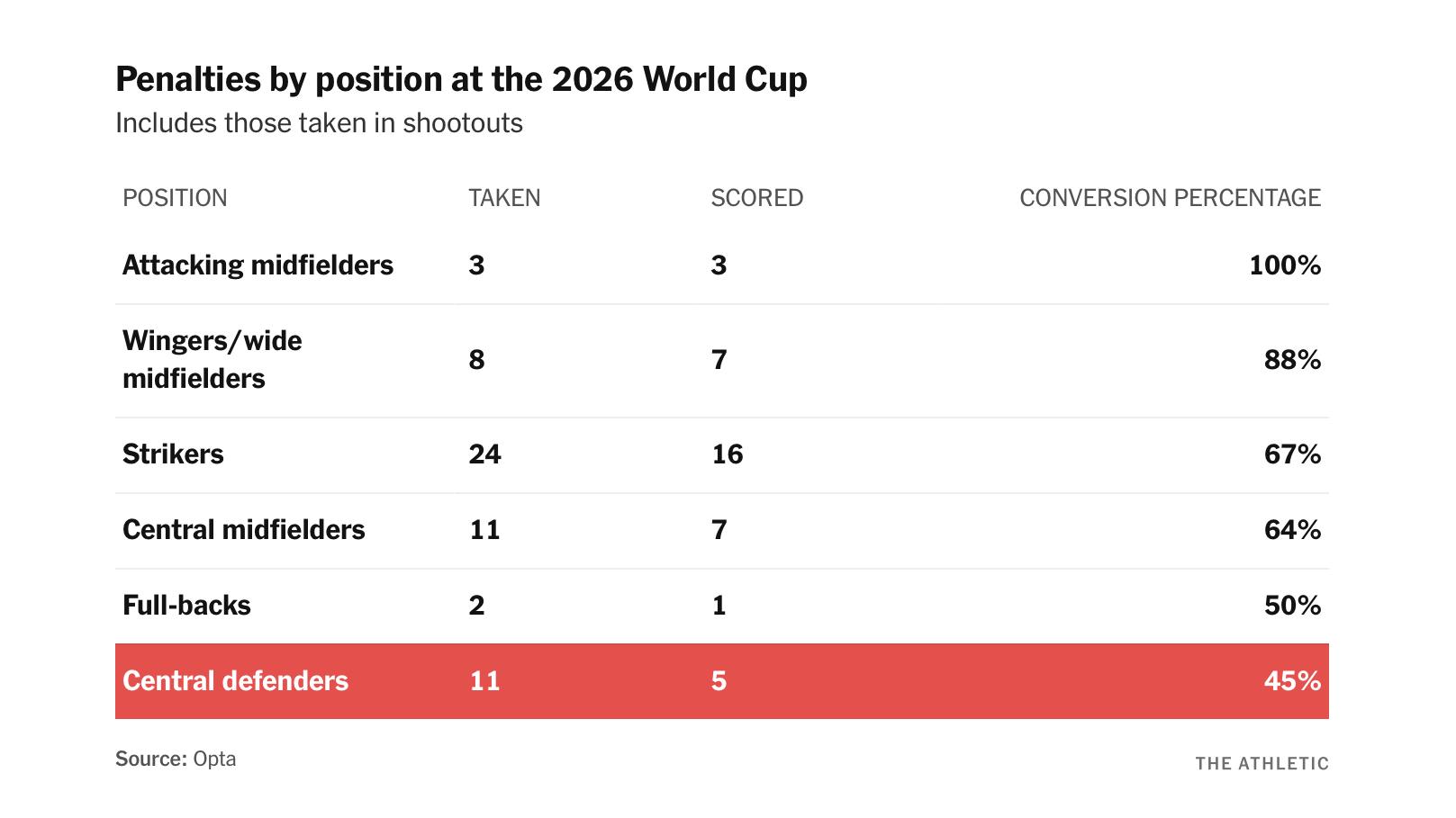
The positional data from the 2026 World Cup also offers an interesting insight into penalty success. While the sample sizes are relatively small, attackers overwhelmingly outperformed defenders from the spot. Attacking midfielders converted all three of their penalties, wingers scored 88% (7/8), while strikers still managed a respectable 67% despite taking the largest share (24).
At the opposite end of the spectrum, centre-backs converted just 45% of their attempts (5/11), with full-backs also struggling at 50%. The trend reinforces the importance of repetition and technical quality. Attackers spend far more time striking the ball under pressure in training and matches, whereas defenders rarely find themselves in those situations.
Combined with the psychological demands of penalties, the data suggests specialist penalty takers should almost always come from the attacking unit, regardless of seniority or leadership within the team.
Verdict
The evidence is surprisingly clear.
A well-practised stutter-step penalty is not an unnecessary gimmick—it is a statistically effective strategy designed to manipulate goalkeeper behaviour. Large datasets consistently show slightly higher conversion rates than conventional run-ups, while decades of elite specialists have demonstrated how devastating the technique can be when mastered.
However, the margin is relatively small rather than overwhelming. The method demands exceptional composure, precise timing and confidence under pressure. Players who have rehearsed it thousands of times—such as Raúl Jiménez, Robert Lewandowski or Jorginho—can turn it into a genuine competitive advantage. Those who adopt it without complete conviction often compromise the quality of their strike.
Ultimately, the statistics suggest the stutter-step is neither football’s magic solution nor its greatest flaw. Like most elite skills, it rewards specialists and punishes imitators. The technique itself isn’t the deciding factor—the quality of its execution is.
Check out our World Cup section for more World Cup insights