07 Jul, 2026
France & Spain Combined XI: A Potential Semi-Final Showdown?
Could a combined France and Spain XI be the most unstoppable team on earth? See our dream lineup ahead of a potential semi-final clash.
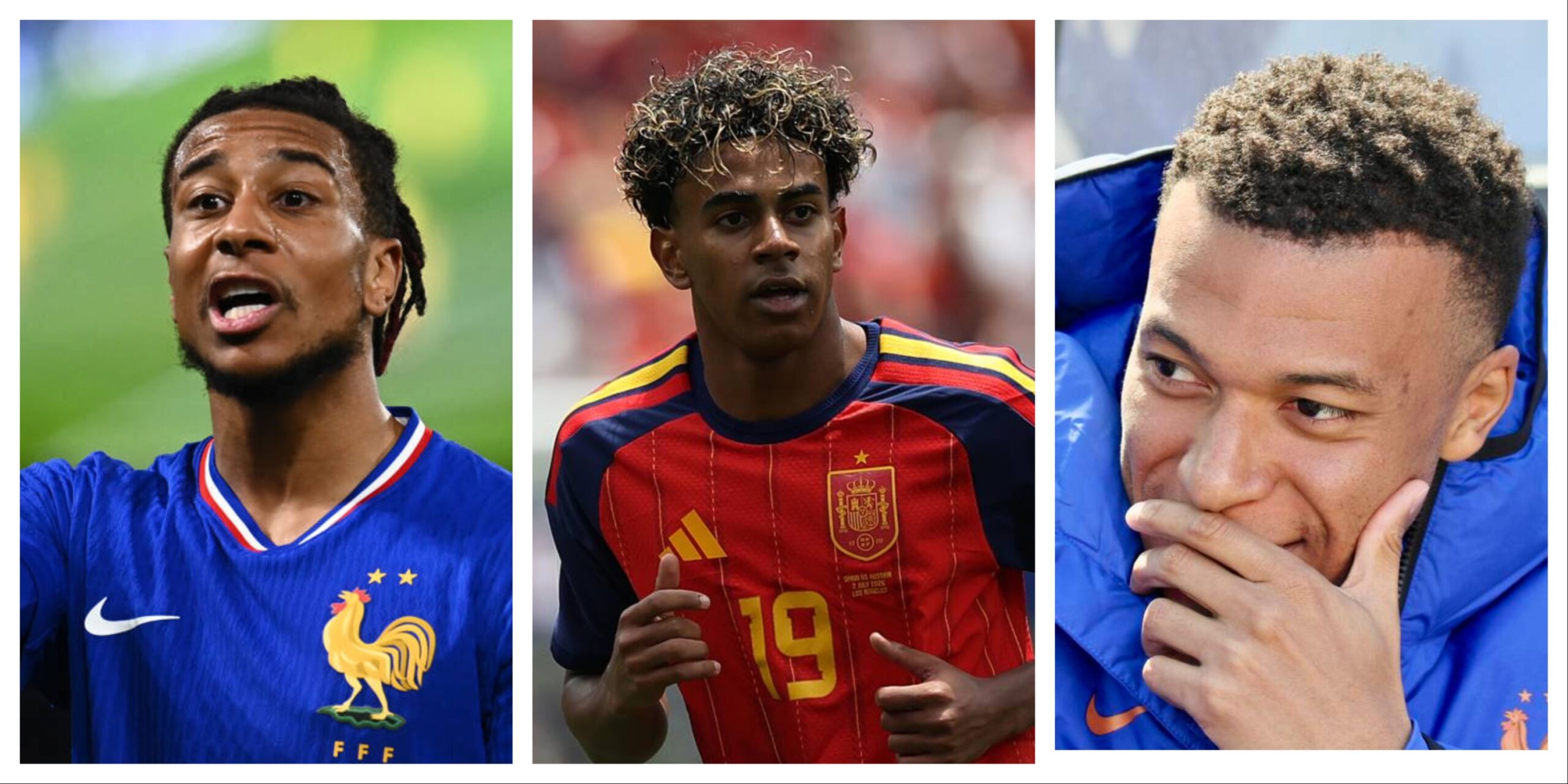
Ahead of what could be an explosive Semi-final, we take a look at what a combined XI from these two powerhouses would look like, and my god it is terrifying…
There haven’t been many teams capable of consistently dominating games at the 2026 World Cup, but France and Spain have managed it in very different ways.
Spain have been the tournament’s most complete defensive side. They’ve controlled possession, restricted opponents to very few clear-cut chances and gone through the group stage without conceding a goal. Their structure has been exceptional.
France, meanwhile, have been devastating in attack. With Kylian Mbappé, Michael Olise and Ousmane Dembélé all in outstanding form, Didier Deschamps’ side have arguably looked like the most dangerous team left in the competition.
So what happens when you combine Spain’s defensive solidity with France’s attacking quality?
The result is a side that would take some stopping.
Before we get started, if you enjoy this type of content then make sure you also check out our Spain and Portugal combined XI.
Goalkeeper: David Raya (Spain)
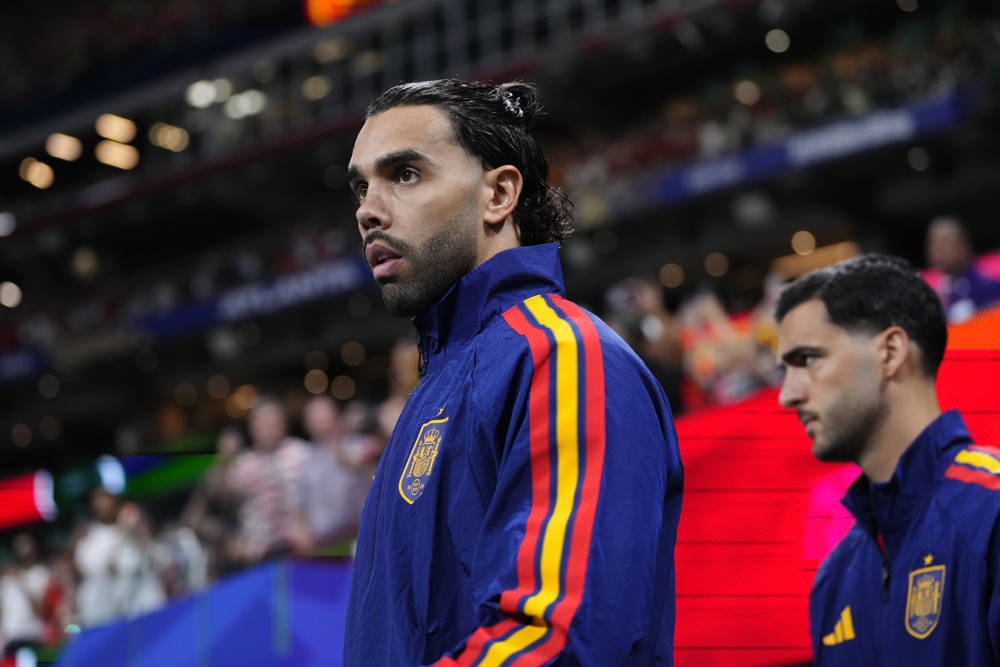
This will probably divide opinion, particularly as David Raya isn’t Spain’s regular starter under Luis de la Fuente.
But if we’re picking the best goalkeeper across these two squads on current ability, Raya gets the nod.
The Arsenal stopper is coming off another outstanding club season in which he once again ranked among the Premier League’s leaders for save percentage, clean sheets and goals prevented. His distribution has become one of his biggest strengths too, allowing Arsenal to build comfortably under pressure.
Mike Maignan is still an elite goalkeeper when fully fit, while Unai Simón has been excellent for Spain over several tournaments. Joan García is another exciting option.
However, Raya has simply been operating at the highest level for the longest period. His consistency over the past two seasons gives him the edge.
Right Back: Pedro Porro (Spain)
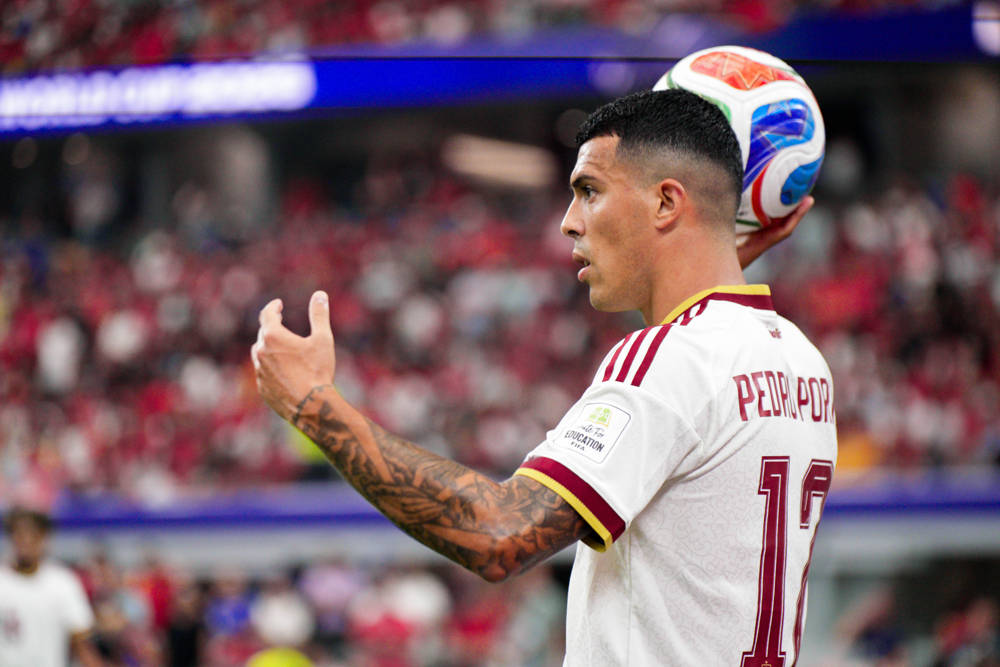
Jules Koundé has had a decent tournament, but Pedro Porro has been one of the standout full-backs at this World Cup.
Only a handful of players have received higher average SofaScore ratings than the Tottenham defender, who currently sits third across the tournament. His attacking numbers have been particularly impressive, constantly providing width, progressing the ball into dangerous areas and creating chances from open play.
Defensively, he’s also looked far more assured than many expected, and has found an excellent balance between knowing when to attack and when to stay disciplined, and Spain have benefited massively from it.
On tournament form, he deserves this spot.
Centre Back: William Saliba (France)
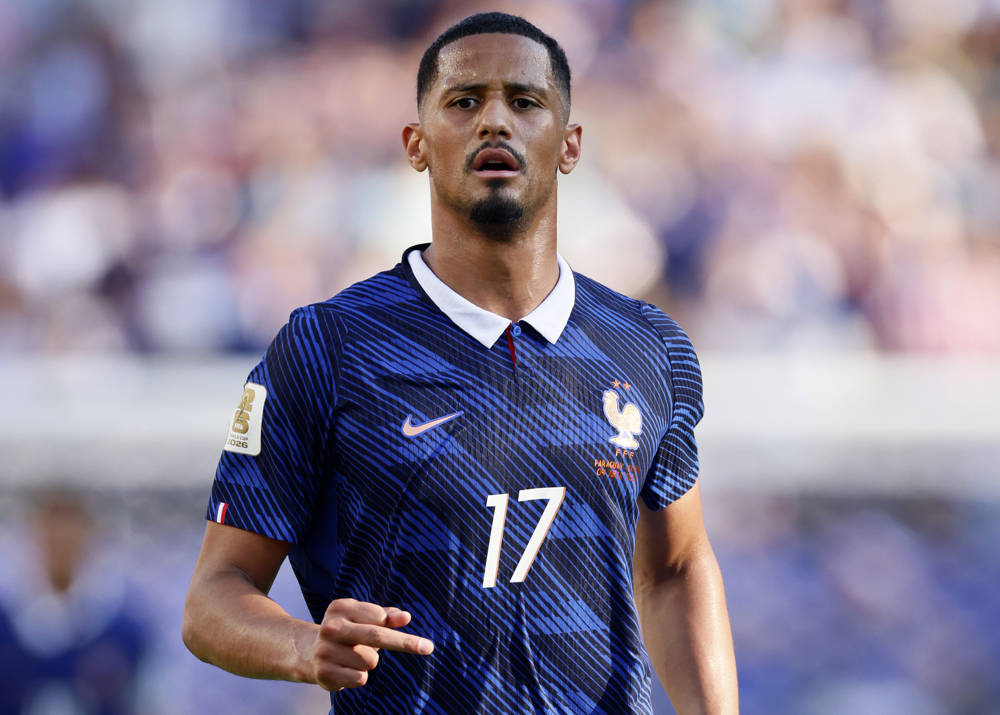
This was probably the easiest decision in the entire team.
William Saliba is, in my opinion, the best centre-back available between these two nations, and there’s a genuine argument that he’s the best central defender in world football right now.
Arsenal conceded the fewest goals in the Premier League again last season, with Saliba at the heart of everything they did defensively. His pace allows France to defend aggressively, while his positioning means he rarely has to rely on recovery tackles in the first place.
He’s also one of the cleanest defenders around. Rarely caught diving into challenges, rarely beaten one-versus-one and almost impossible to expose in transition.
France’s defensive record at this tournament has reflected that.
If you’re building a team to win one game, Saliba is one of the first names on the teamsheet.
Centre Back: Pau Cubarsí (Spain)
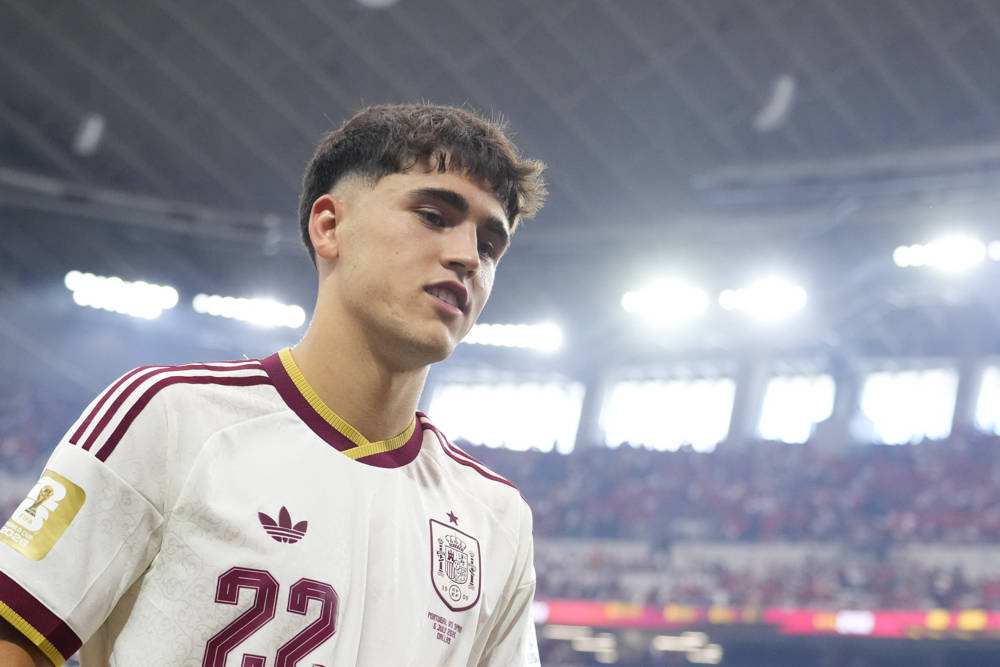
This was comfortably the closest call. However, given Spain are yet to concede a goal, Cubarsi felt like the right pick.
Dayot Upamecano has had an excellent tournament and would be unlucky to miss out, but Pau Cubarsí just edges him.
As mentioned before, Spain haven’t conceded a single goal so far, and Cubarsí has been one of the biggest reasons why. Despite still being in the early stages of his career, he plays with the composure of someone who’s been at the top level for a decade.
His passing through the lines has also been outstanding, and is 2nd amongst all players at the World Cup for passes completed. While defensively he continues to rank highly for interceptions and recoveries without needing to make last-ditch challenges.
His club season with Barcelona was equally impressive, earning him sixth place in ESPN’s list of the world’s best centre-backs despite his age.
That’s remarkable recognition, and he’s backed it up at this World Cup.
Left Back: Marc Cucurella (Spain)
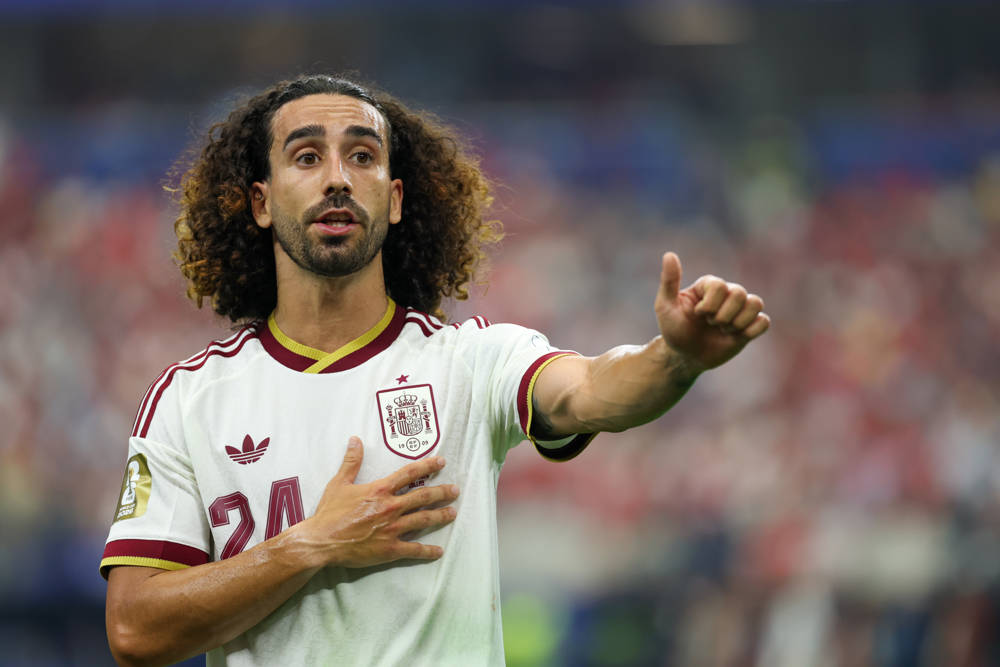
This one wasn’t difficult.
Cucurella has been one of the best defenders at the tournament regardless of position.
Five clean sheets and two assists only tell part of the story. He’s constantly available down the left-hand side, ranks highly among defenders for chances created and has covered an incredible amount of ground every game.
Spain’s defensive structure naturally helps him, but his work rate deserves huge credit too.
Very few full-backs contribute as much at both ends of the pitch.
Central Midfield: Rodri (Spain)
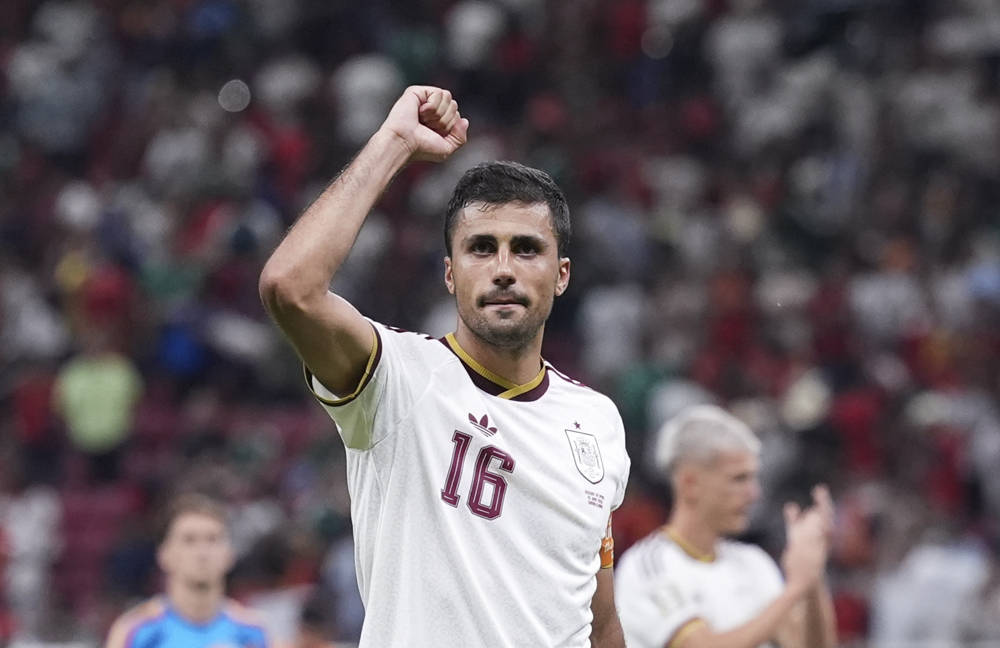
Rodri has potentially been the best midfielder at the World Cup so far.
Spain’s ability to dominate games starts with him.
He rarely loses possession, consistently breaks up opposition attacks and allows Spain’s defenders to stay aggressive because they know he’ll protect the space in front of them.
Statistics never fully capture Rodri’s impact, but Spain’s defensive record certainly does. One that does shine some light however is the fact that he is 5th amongst all players for tackles.
They’ve barely allowed opponents to establish sustained attacks throughout the tournament, and Rodri has been central to that.
There simply isn’t another midfielder here who controls games to the same extent.
Central Midfield: Pedri (Spain)
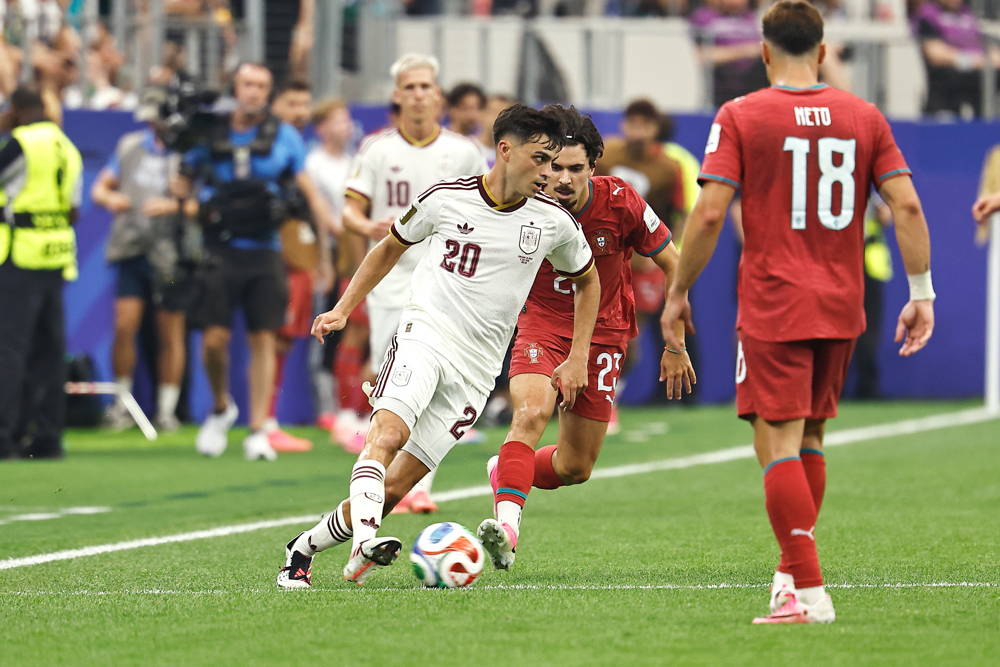
Finding Rodri’s partner wasn’t particularly difficult.
Pedri has quietly gone about another outstanding tournament, linking defence and attack better than almost anyone else left in the competition.
He ranks among Spain’s leaders for progressive passes, chances created and successful passes into the final third, while also working tirelessly without possession.
However, one underrated part of his game has been his pressing, where he currently sits 2nd in the whole tournament for possession won in the final 3rd. Illustrating his efforts both on and off the ball.
More importantly, he complements Rodri perfectly.
Rodri provides the security.
Pedri provides the creativity.
Aurélien Tchouaméni and Adrien Rabiot have both had good tournaments, but neither has reached Pedri’s overall level.
Right Wing: Lamine Yamal (Spain)
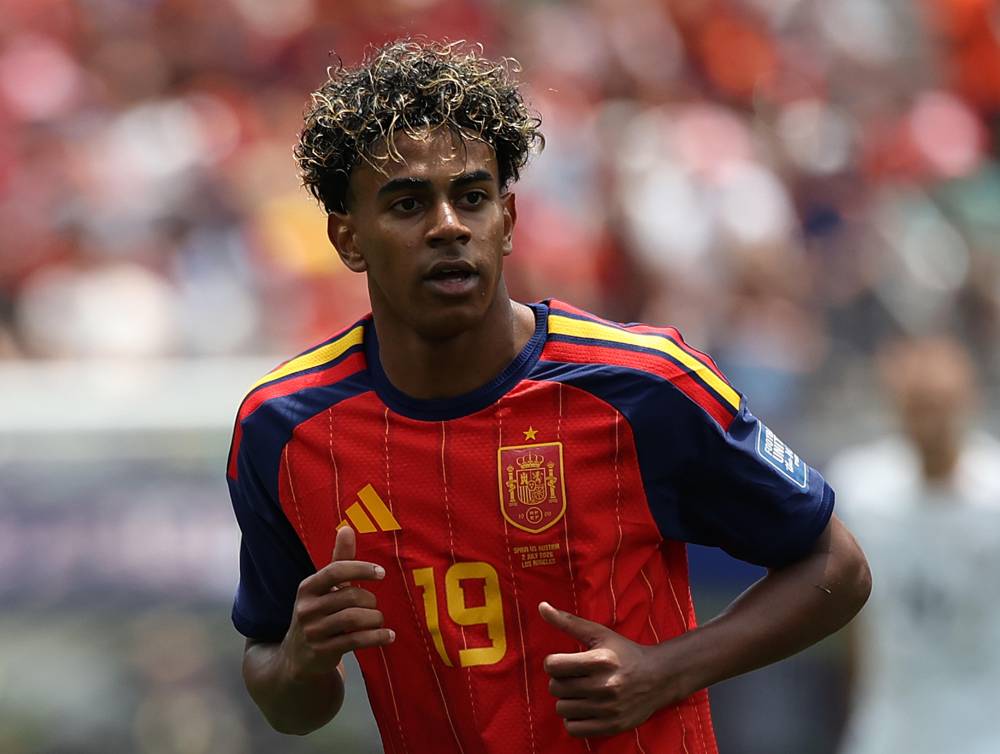
By his incredibly high standards, Lamine Yamal hasn’t quite exploded into life yet.
That says more about expectations than his actual performances.
Opposition teams continue to double up on him because they know he’s capable of changing games with one moment. Even without huge goal contributions, he’s still 1st amongst all players for successful dribbles and 3rd for progressive carries.
He is also 3rd amongst all players for possession won in the final 3rd, illustrating his elite pressing ability.
He’s still only 18 years old, but already looks like one of the best players in world football.
If Spain go deep into this tournament, don’t be surprised if his defining performance is still to come.
Attacking Midfielder: Michael Olise (France)
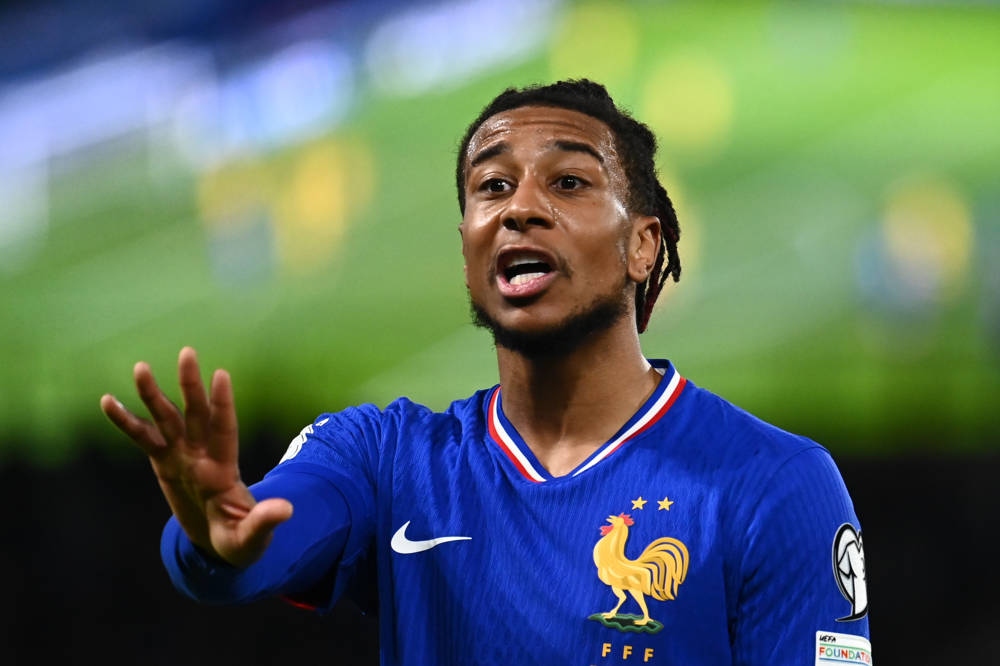
Michael Olise has been the player who makes France tick.
While Mbappé and Dembélé naturally get their names on the scoresheet, Olise has been the one knitting everything together in central areas. As evidenced by his tournament leading 5 assists and tournament leading 5 big chances created.
He rarely holds onto the ball for too long, constantly moving France forward with quick combinations before arriving in dangerous positions himself.
Right now, he’s playing as well as any attacking midfielder in international football.
Left Wing: Ousmane Dembélé (France)
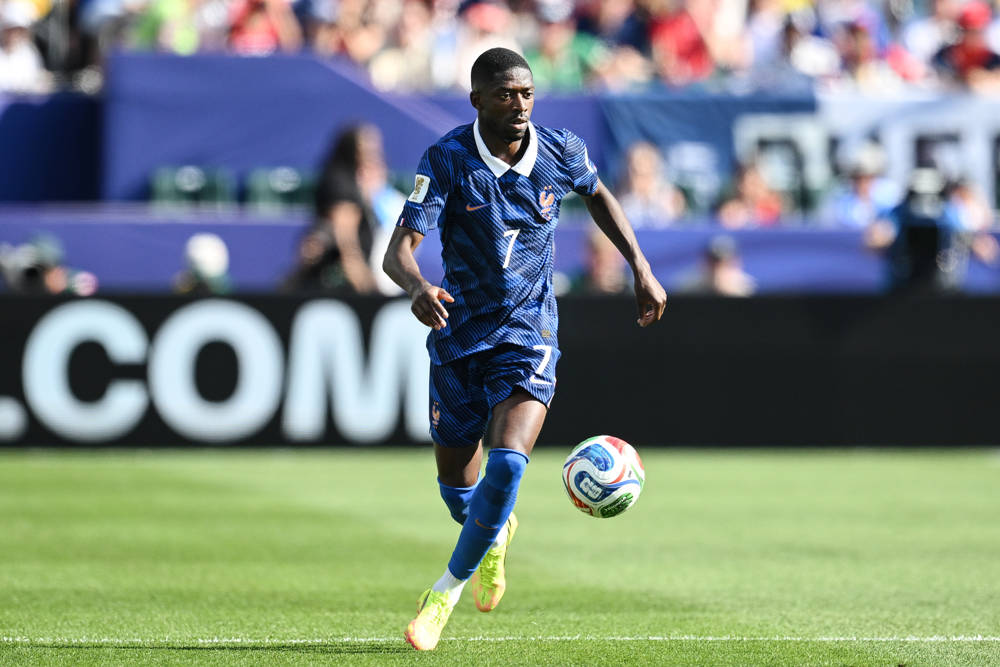
Dembélé’s Ballon d’Or-winning season has carried seamlessly into the World Cup.
Already sitting on four goals, he’s once again been one of France’s biggest attacking threats.
His pace stretches defensive lines, his movement creates space for teammates and he’s producing far better end product than earlier in his career.
His underlying numbers have been equally impressive, ranking among France’s leaders for shots, touches inside the box and expected goals (xG).
France’s attack simply looks more dangerous whenever Dembélé is involved.
Striker: Kylian Mbappé (France)
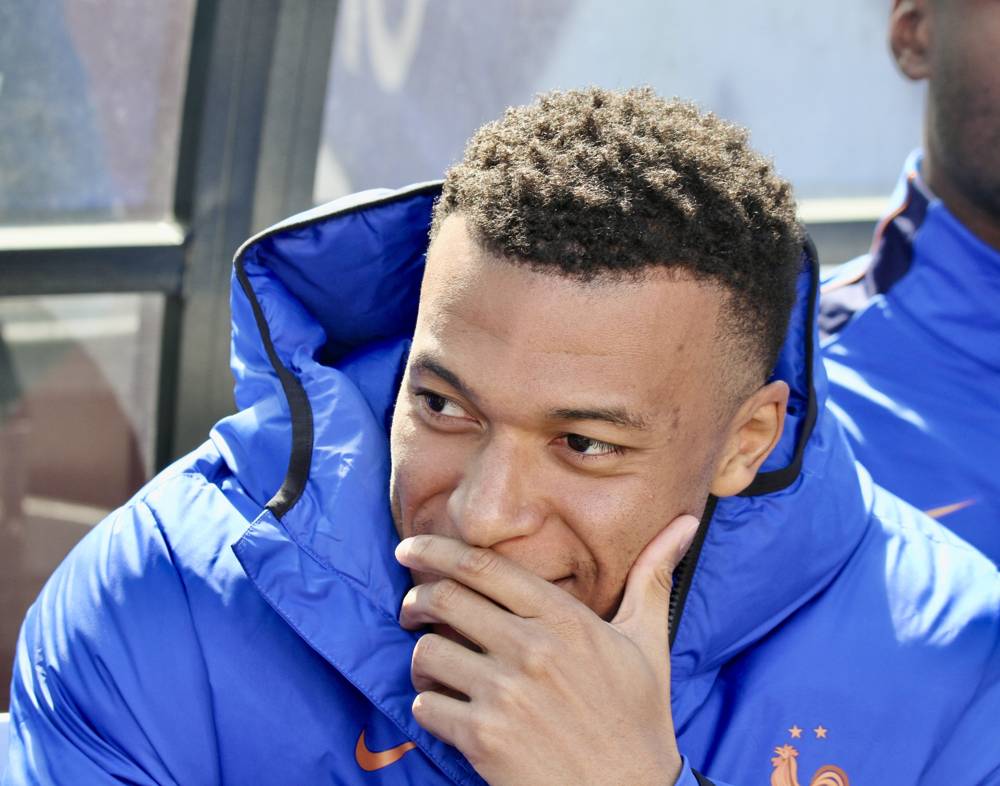
No debate here.
Mbappé remains the first name on any combined XI involving France. Even with Oyarzabal’s recent form.
Already the second-highest goalscorer in World Cup history, he’s once again producing elite numbers. He’s averaging over four shots per game, ranks among the tournament leaders for expected goals (xG) and continues to generate high-quality chances almost every time France attack in transition.
The frightening thing is that he doesn’t need many opportunities.
Give Mbappé one clear sight of goal and there’s every chance he’ll take it.
With the form he’s in, he’s still the player every remaining nation will fear most.
Full Team & Verdict
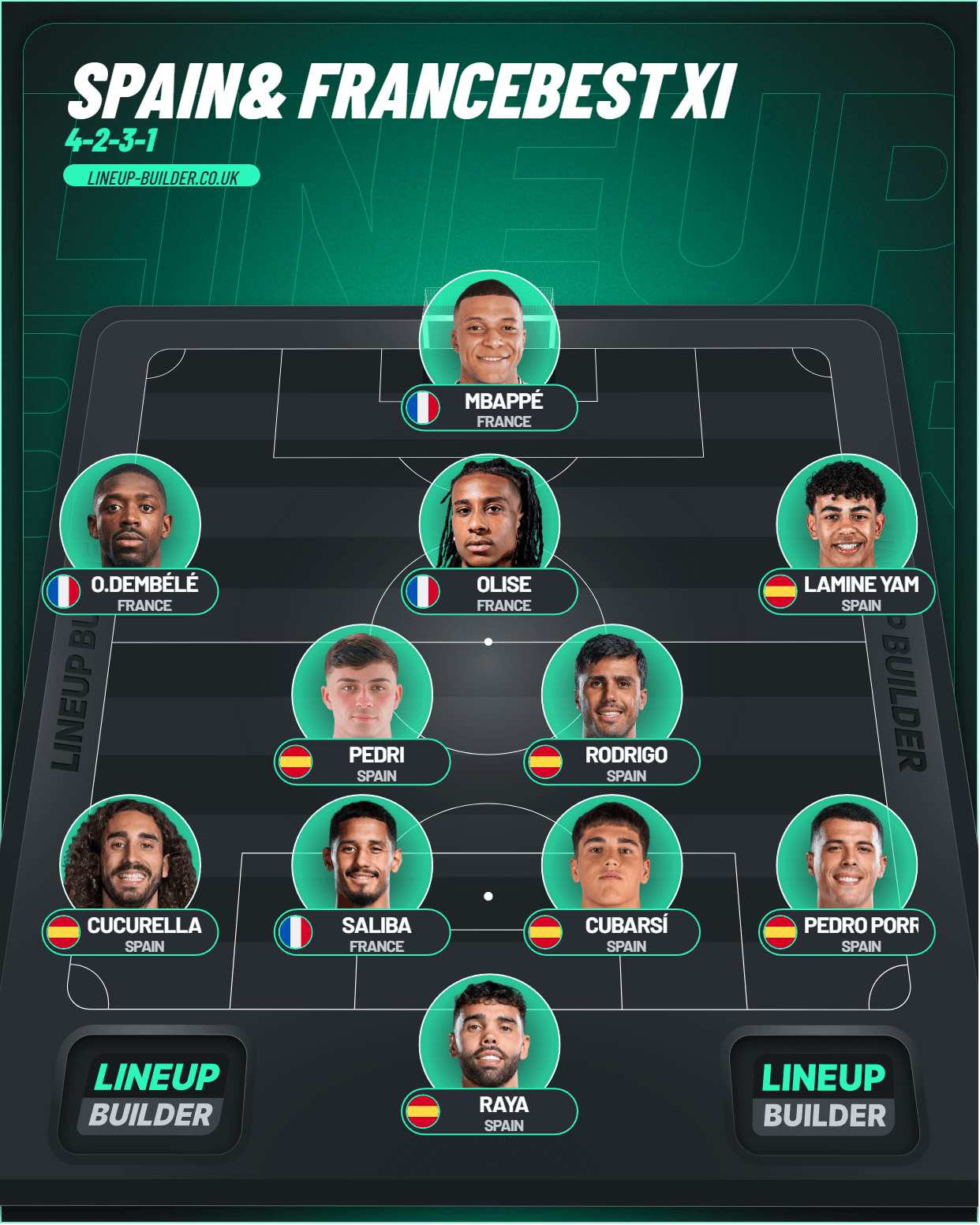
This side feels almost perfectly balanced.
Spain provide the defensive platform. Raya is comfortable playing out from the back, Porro and Cucurella offer constant width, Cubarsí and Saliba are comfortable defending huge spaces, while Rodri and Pedri give the midfield complete control of possession. France then supply the difference-makers.
Olise links everything together, Dembélé stretches defences with his pace and Mbappé remains the most devastating transition player in world football.
Perhaps the biggest reason this team works so well is because each nation solves the other’s biggest weakness. Spain have occasionally lacked a clinical edge despite dominating possession. France can sometimes rely too heavily on moments of individual brilliance rather than sustained control, and have also looked vulnerable to conceding at times.
Put the two together and those concerns disappear.
You get Spain’s structure and France’s firepower.
On paper, it’s difficult to build a stronger international XI from the teams left in the tournament, and you’d back this side against almost any national team assembled in the modern era.
Check out our World Cup section for more all-Time XIs