13 Apr, 2026
World Cup Fantasy 2026: Everything you Need to Know
Your ultimate guide to World Cup 2026 Fantasy. From budget hacks to essential fixtures, we cover everything you need to know to win big this summer.

With the 2026 World Cup on the horizon, excitement is already building — not just for the football, but for the return of World Cup Fantasy.
For many FPL managers, World Cup Fantasy is a completely different challenge. It’s shorter, sharper, more chaotic — and often rewards aggressive, high-risk play.
But 2026 brings something we’ve never seen before:
A 48-team World Cup, dramatically expanding the player pool, fixture list and potential strategies.
So what can we expect from World Cup Fantasy 2026? And how should managers start preparing?
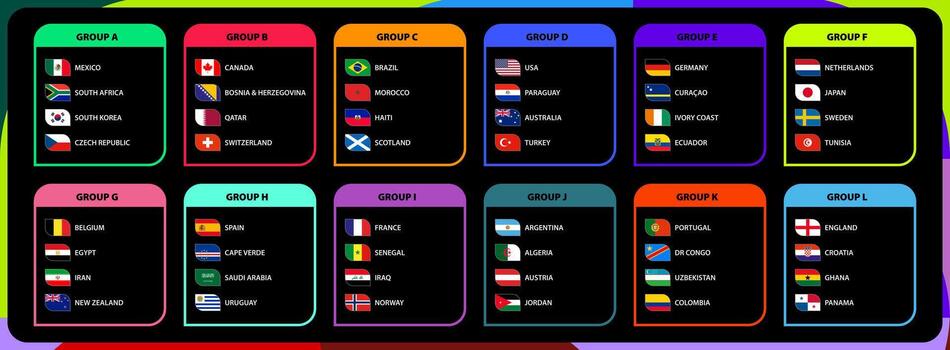
The likely format: what stays the same?
While official rules aren’t confirmed yet, World Cup Fantasy has historically followed a similar structure — most recently seen in Qatar 2022.
We can reasonably expect:
1. Matchday-based transfers
Instead of Gameweeks, the tournament runs on Matchdays:
- Matchday 1 → First round of group games
- Matchday 2 → Second round
- Matchday 3 → Final group games
- Then knockout rounds
Managers typically:
- Get free transfers between matchdays
- Can make manual substitutions within a matchday
2. Manual substitutions & captaincy changes
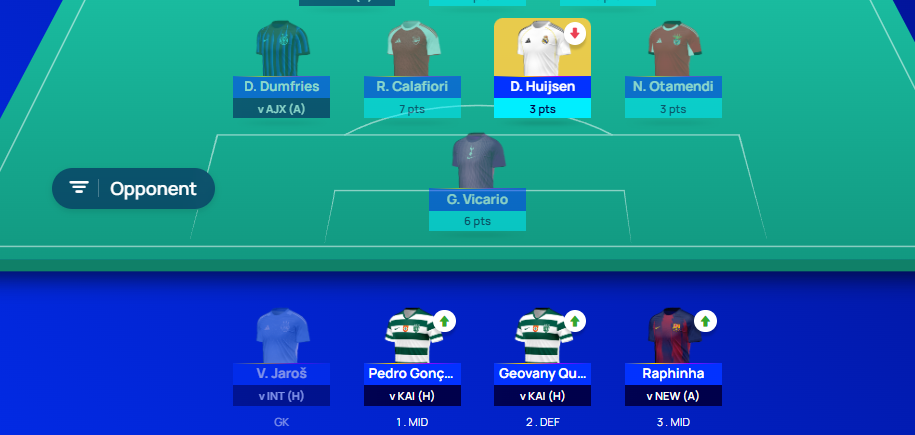
This is what makes World Cup Fantasy unique.
During each matchday:
- You can sub players in/out after matches finish
- You can change your captain multiple times – similair to UCL Fantasy.
This creates a completely different strategy dynamic:
It’s not just about picking a team — it’s about actively managing it day-by-day.
3. Chips likely to return
Based on previous editions, expect:
- Wildcard (unlimited transfers)
- Power Captain? (Double Points for highest scoring player )
- 12th Man?
These chips are crucial — especially with fixture swings and knockout unpredictability. We will be updating these once the official chips are announced.
The biggest change: 48 teams and what it means
The expansion from 32 to 48 teams is the single biggest shift in World Cup history — and it will massively impact fantasy.
1. A much larger player pool
In previous tournaments:
- ~700–800 players
- Relatively easy to identify starters
In 2026:
- Significantly more squads
- More unknown players
What this means for fantasy
- More “hidden gems”
- But also more traps
- Casual players may struggle with knowledge gaps
For engaged managers, this is a huge opportunity.
2. More uneven groups
With expansion comes imbalance.
Some groups will be:
- Highly competitive
- Full of strong nations
Others will be:
- Extremely one-sided
This is key for fantasy:
Targeting weak groups becomes one of the most important strategies.
3. More matches = more rotation risk
With more teams and matches:
- More differential opportunity
- More ways to smash the template
In Qatar 2022, we saw:
- Heavy rotation in Matchday 3
- Early substitutions for key players
In 2026, expect this to continue.
Key strategic shifts for 2026
1. Fixture targeting becomes EVERYTHING
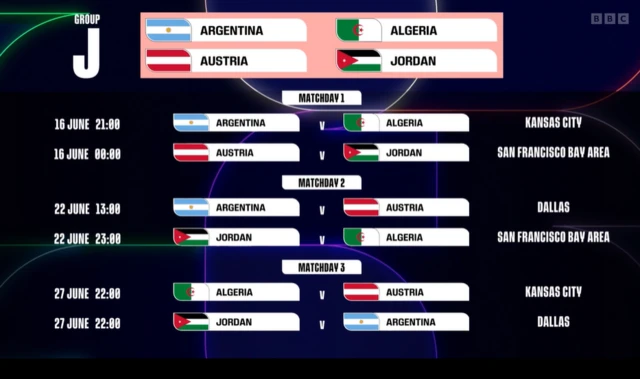
In FPL, form can often outweighs fixtures.
In World Cup Fantasy:
Fixtures dominate.
Why?
- Short tournament
- Small sample size
- Huge differences in team quality
A player facing:
- A weak nation → huge haul potential
- A strong nation → blank likely
2. Matchday 3 chaos
This is always one of the hardest rounds to navigate.
Teams that:
- Have already qualified
- Or are already eliminated
…will rotate heavily.
With more teams in 2026:
- More scenarios where qualification is decided early
- More unpredictability
Strategy tip
- Avoid players from “safe” teams in Matchday 3
- Target players from teams that must win
- Save Free Transfers for Matchday 3, then Wildcard in the knockout ones fixtures are slimmed down.
3. Aggressive captaincy strategy
Because you can change captains:
- You should always start with early players
- Then switch if they blank
Example:
- Captain plays Day 1 → blanks
- Switch to Day 2 player
- Repeat
This reduces risk and maximises upside.
4. Goalkeepers become more valuable
Because of:
- Manual substitutions
- Multiple matchdays
You can:
- Rotate goalkeepers
- Chase clean sheets
This makes cheap keepers from weaker groups surprisingly viable.
Early Targets

1. Strong mid-tier European nations
These are teams that:
- Dominate weaker sides
- But aren’t elite enough to rotate heavily
- Can be relied on to start similar 11s.
Examples:
- Switzerland, Germany (that’s right, I said it), Belgium, Norway, Turkey, Ita…oh wait.
Why they matter
- Play strong attacking football
- Tend to have a few talismans who will play every game
- Less rotation than top nations
- Often in favourable groups
2. Non-Obvious South American Attackers
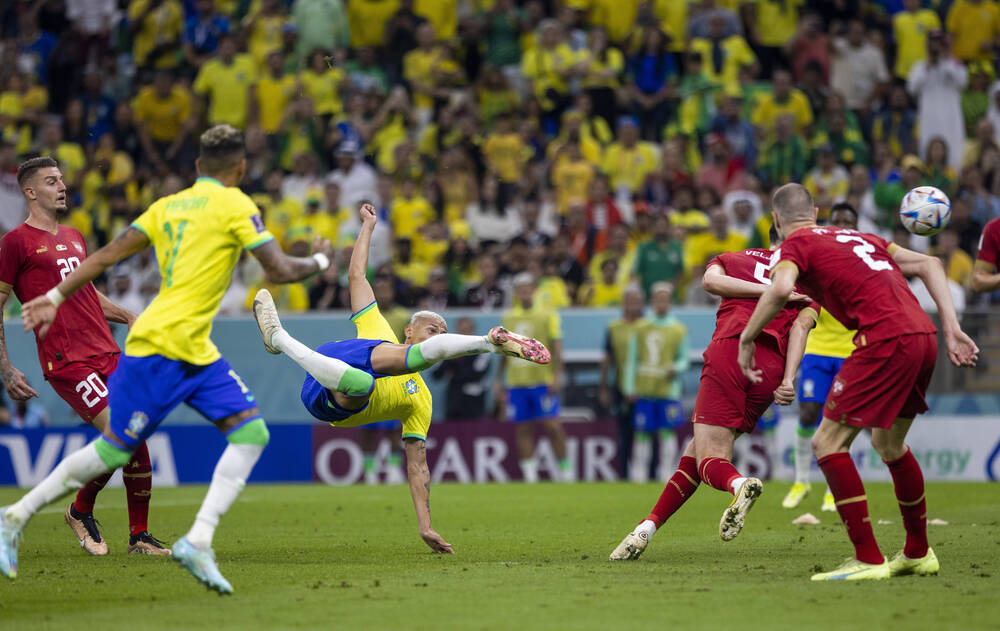
We are not talking about your Vini Jr’s and Messi’s here. We are talking about those players who start alongside them and will often spearhead the attack. Where Messi and Vini will often create some magic, these are the guys who start every game and will be on the end of those crosses for a tap in. Richarlison being the perfect example of this.
South American teams often:
- Perform well in group stages
- Play much more attacking football than other countries
- Rely heavily on key attackers
This leads to:
- High minutes
- Consistent attacking involvement
- Often high goal tallies.
Examples:
- Lautaro Martinez
- Mateus Cunha
- Darwin Nunez
- Luis Suarez (The Colombian one)
Even mid-tier teams can produce:
- Budget midfield gems
- Penalty takers
3. Host nation advantage
The 2026 World Cup will be hosted across:
- USA
- Canada
- Mexico
Historically:
- Host nations often outperform expectations.
- Get easier groups.
Reasons:
- Familiar conditions
- Crowd support
- Reduced travel stress
This makes their key players:
- Underrated assets
- Strong early picks
4. Teams in weak groups
This is the most important category.
Every tournament produces:
- 2–3 groups with clear weak teams
Targeting these groups gives:
- High goal potential
- Clean sheet opportunities
- Differential picks
Position-by-position expectations
Goalkeepers
- Focus on clean sheet potential
- Rotate based on fixtures
- Avoid premium keepers early
Defenders
- Full-backs are gold
- Attacking returns are crucial
- Clean sheets alone aren’t enough
With weaker teams in the tournament:
- Expect some big defensive hauls
Midfielders
- Most important position
- Often classified favourably (advanced roles)
- Extra points for goals
- Bonus points potential
Look for:
- Set-piece takers
- Players playing close to goal
Forwards
- Less flexible than midfielders
- Heavily reliant on goals
Premium forwards:
- Still viable
- But harder to rotate due to limited slots
Chip strategy for 2026
Power Captain
Best used in:
- Any Gameweek where all your best players have easier fixtures.
Why?
- Higher chance of big haul
Wildcard
Best used:
- Either Matchday 2 or first knockout game.
12th Man
- Most effective in group stages
- When all players are likely to play
The biggest traps to avoid
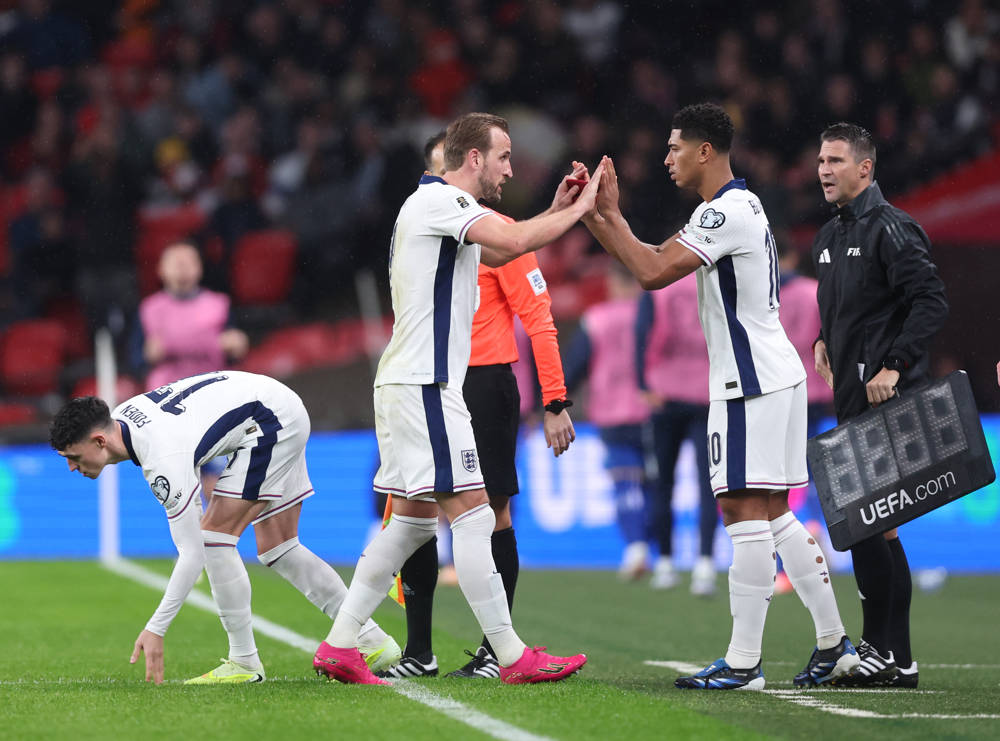
1. Overloading on top nations
Top teams:
- Rotate more
- Sub early
- Manage minutes
- You will be wildcarding anyway so can cover teams who may not qualify in group stages
This reduces:
- Points ceiling
- Reliability
2. Ignoring weaker teams
Casual players often:
- Avoid lesser-known nations
But these teams can:
- Offer cheap starters
- Play 90 minutes consistently
3. Picking “big names” over roles
In World Cup Fantasy:
Role > reputation
A:
- Midfielder playing as a striker
Is better than: - A famous CAM playing in the 8.
Final thoughts
World Cup Fantasy 2026 is shaping up to be the most complex — and exciting — edition yet.
With:
- 48 teams
- More matches
- Greater rotation
- A deeper player pool
The edge will go to managers who:
- Understand fixtures
- Adapt quickly
- Take calculated risks
Because unlike FPL, this isn’t a marathon.
It’s a sprint — where one good Matchday can change everything.
And with the expanded format, there will be more opportunities than ever to find those edges.
Check out our Feature Articles for more World Cup Content.