21 May, 2026
The Best England World Cup Squad Based on Form Only
Forget reputation. We build the ultimate England World Cup squad based entirely on current form. Who makes the cut and who misses out?

Usually, picking an England squad is a negotiation between form, status, balance, reputation, loyalty, injury history and a dozen other things. This is not that squad.
This is the version you get if selection becomes brutally simple: who has actually played well enough in 2025/26 to deserve the shirt? Just this season, with extra weight given to players who have improved or peaked in the second half of the campaign.
Here is the England squad picked on form alone.
Dean Henderson, Crystal Palace

Henderson has the volume, reliability and a full Premier League season’s worth of evidence. With 36 league appearances, 3,240 minutes, 11 clean sheets, the joint-most of any English goalkeeper in the Premier League alongside Jordan Pickford, and 100 saves from 149 shots faced, his case is strong.
The numbers are solid rather than outrageous. An average rating just above 7.0, per FotMob, tells the story of a goalkeeper who has been busy without making himself the story for the wrong reasons. Palace have given him plenty to deal with, and Henderson has generally dealt with it. He has played proper minutes, under proper pressure, against proper Premier League attacks.
Jordan Pickford, Everton
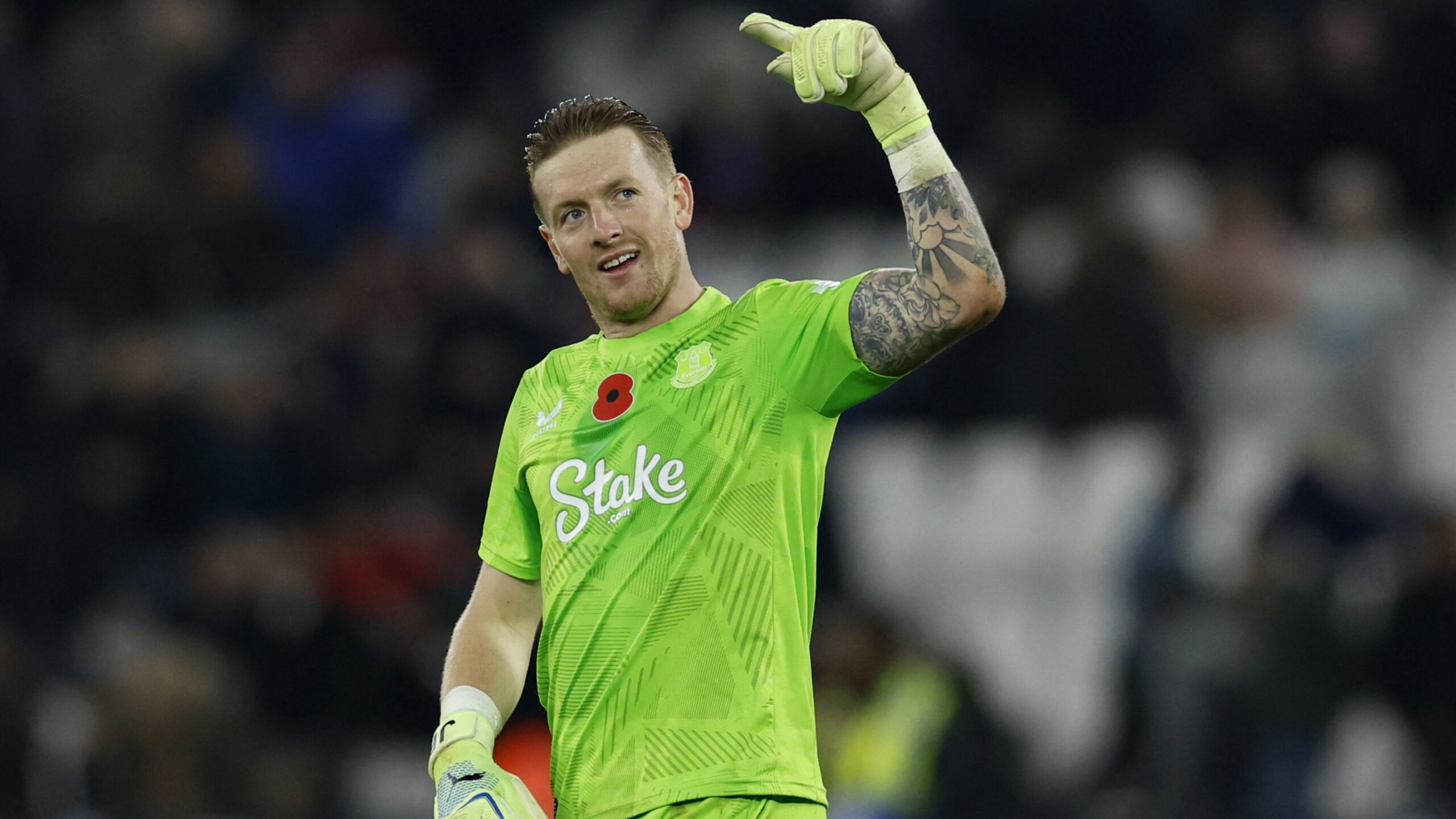
Pickford remains the safest goalkeeper argument in this squad. He has played a full Premier League season, with 3,330 minutes, 11 clean sheets, 97 saves and 44 goals conceded.
The save rate is slightly below Henderson’s by the figures here, but the broader value is in availability, consistency and steadiness. Pickford has been there every week, in a demanding Everton side, and that still counts for plenty in a form-based squad.
Carl Rushworth, Coventry City

Rushworth is the fun pick. He played every Championship game, recorded 17 clean sheets and won the division’s Golden Glove. He also finished with the most clean sheets in the Championship, with 17 shutouts from 46 matches.
The Championship caveat is obvious. This is not the same as doing it at Premier League level. But he still played 4,140 league minutes, conceded 42 goals, saved 122 of the 167 shots he faced and finished with a 73 per cent save rate.
As a third goalkeeper, he is perfect. You are not picking him to start a World Cup final. You are picking him because, on form, he has had an excellent season.
Tyrick Mitchell, Crystal Palace

Mitchell’s case is straightforward: England do not have many left-sided defenders with this much Premier League experience. He has played 3,208 Premier League minutes this season and has been a reliable presence in a strong Crystal Palace side.
He is not a fashionable pick because he does not play in a way that screams out in a highlights package. One goal, two assists and a 7.07 average rating, per FotMob, is solid rather than spectacular. But for England, Mitchell’s value is positional clarity. He is a natural left-sided defender in a squad that badly needs them.
If you want confirmation that this pick makes sense, just ask Palace fans. They love him.
Lewis Hall, Newcastle United

Hall has played 2,089 Premier League minutes for Newcastle and has been solid, if not spectacular, across the season.
His appeal is slightly different to Mitchell’s. Hall gives England a left-back who can play through midfield, not just overlap around it. In tournament football, that kind of versatility matters. He can help control possession, step inside, combine in tighter areas and offer a different build-up profile from the left.
His inclusion, like Mitchell’s, is partly about the lack of outstanding left-sided options this season. But Hall has still done enough to justify his place.
Nico O’Reilly, Manchester City
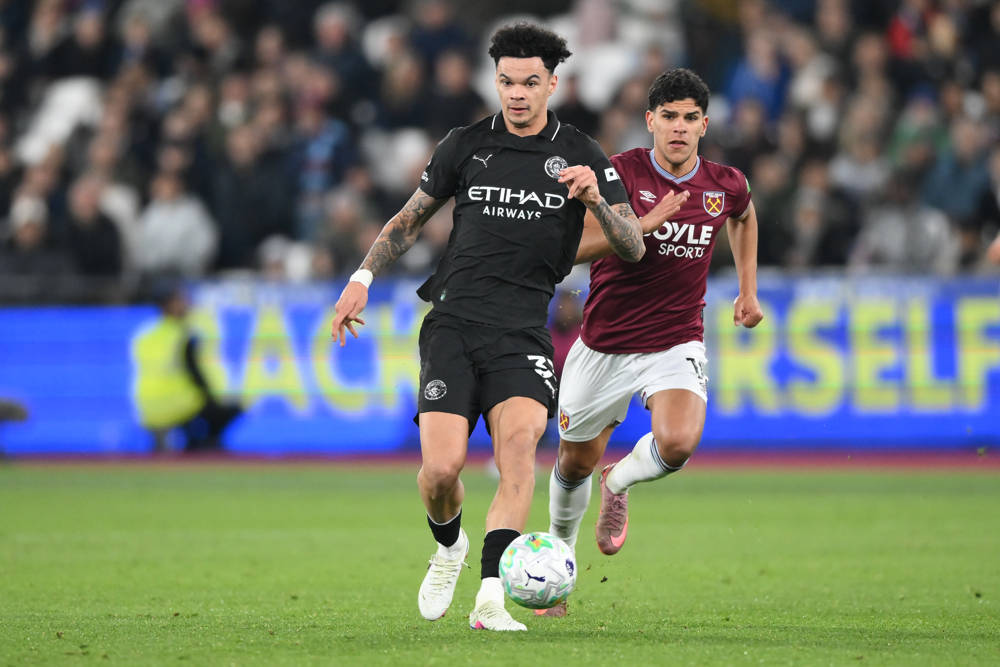
This man’s inclusion should come as absolutely no surprise. Not only has he been lighting up the Premier League, but he has broken out as one of the brightest young stars in Europe.
His versatility also adds a whole new dimension to his game, and at the age of 21, already looks mature far beyond his years. This was evidenced by his match winning performances in not just league games but also cup finals.
If you have a pari of eyes you will understand why I do not need to elaborate any further.
Marc Guéhi, Manchester City

Guéhi is one of the easier picks in this squad. Since moving to Manchester City, he has transformed their season and looked at home at an elite level, recent mistake notwithstanding. He has 3,150 Premier League minutes, three goals, three assists and a 7.37 rating for 2025/26. That is a seriously impressive body of work from a centre-back.
He has played well in a team where defenders are asked to do more than head things away. City’s centre-backs have to defend space, pass under pressure and make decisions in open grass. Guéhi has handled that, while also adding goal threat and consistency.
On form, he is a guaranteed starter.
Ezri Konsa, Aston Villa

Konsa has been crucial for an Aston Villa side that have won the Europa League and qualified for Champions League. Villa are not a passive, safety-first side. They defend high, leave space behind them and ask their centre-backs to make big decisions in awkward areas. Konsa has been the one who makes that work: quick across the ground, calm on the ball, rarely panicked and trusted enough to cover centre-back or right-back without changing the whole shape of the side. In a season where Villa have pushed into the Champions League places and won big games under pressure, he has been one of Emery’s most reliable players.
James Tarkowski, Everton

Tarkowski is never going to be the fashionable choice, but his form case is strong. Around 3,150-plus Premier League minutes and an average rating of around 7.14, per WhoScored, puts him firmly in the conversation. He has been a central figure in a solid Everton defence.
There are limits. If England want to squeeze up to the halfway line against elite pace, Tarkowski is not the obvious answer. But if they need someone to protect a lead, attack set pieces, win aerial duels and get through ugly defensive moments, this season has made that argument for him.
It was a tough call between him and Lewis Dunk, but Tarkowski’s body of work gives him the edge here.
Harry Maguire, Manchester United

Maguire’s case depends heavily on the second half of the season. Under Michael Carrick, he has played 861 of a possible 900 league minutes during United’s best run of the campaign. He has become important again, rather than merely available.
The familiar strengths are still there: aerial dominance, set-piece threat, leadership and presence in both boxes. But his recent form has also shown improved duel numbers and a better rhythm in possession.
He is still someone you might bring on late if you are chasing a goal from a set piece or trying to defend your box under pressure. Based on form, especially since the turn of the year, he still has justification.
James Hill, Bournemouth
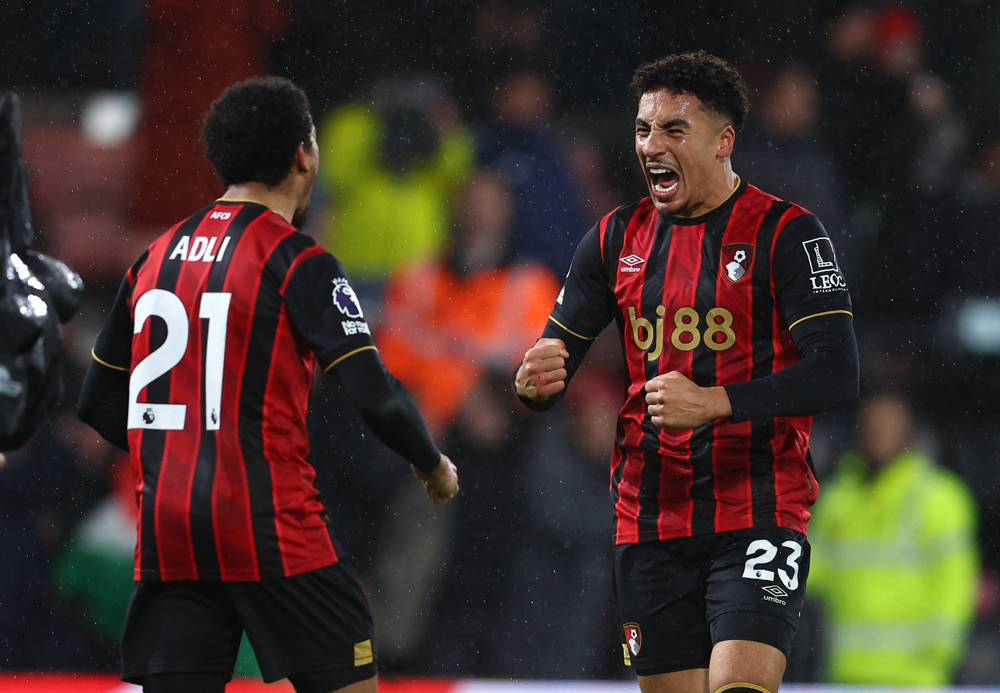
James Hill’s season at Bournemouth has been too strong to ignore. He has made 28 Premier League appearances, started 21 times, played just over 2,000 minutes, provided three assists and posted a 7.19 rating from centre-back.
The key part is the timing. Hill has played every minute since coming back into Bournemouth’s XI in December. He has become a proper part of one of the season’s best stories, with Andoni Iraola’s side pushing towards Europe.
He also gives England something useful: aggression, aerial strength, versatility across the back line and a genuinely useful long throw. There are more famous options, but not many have done more since Christmas to force themselves into the conversation.
Reece James, Chelsea
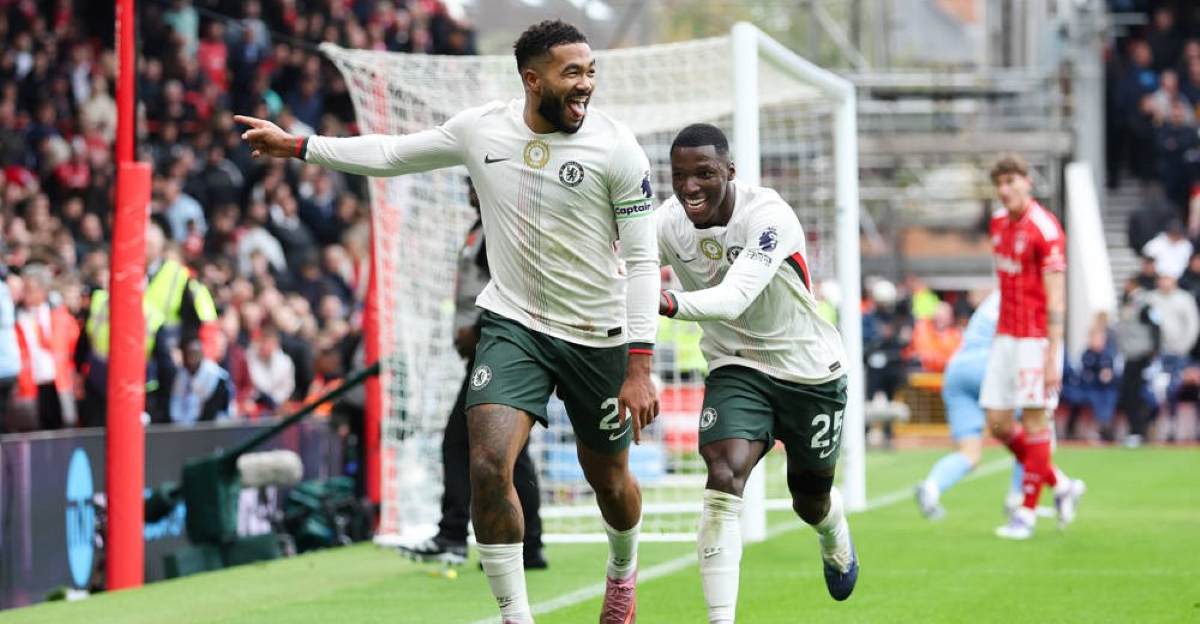
James has done something this season that matters almost as much as the performance level itself: he has stayed on the pitch long enough to build a real case.
He has played 1,923 Premier League minutes, scored twice, provided four assists and recorded a 7.27 rating. That is a serious improvement on recent years.
When James is fit and sharp, England do not have another right-sided defender with the same mix of power, crossing, defensive timing and set-piece delivery. The risk never fully disappears with him. It is always availability. But a form-only squad does not have to ignore upside when the recent evidence is there.
This season, he is back in.
James Justin, Leeds United

Justin has been incredibly solid for Leeds United this season. He was meant to come in as a backup player, but has forced his way into the side and become someone who plays every week.
He has looked comfortable both at centre-back and right-back, which gives England valuable tournament flexibility. Leeds have surprised plenty of people with their form towards the end of the season, and Justin has been a key part of that.
He is not a glamorous pick, but this squad is not about glamour. It is about who has played well enough. Justin has.
Declan Rice, Arsenal

Rice is the easiest midfield pick in the squad because he has been the engine of a title-winning Arsenal team.
Four goals, five assists, more than 2,100 passes at 90 per cent completion, 70 tackles and 37 interceptions across Arsenal’s title-winning season is a serious all-round profile.
If this is about form, Rice is not just in the squad. He is one of the first names in it. There is very little argument against him.
Elliot Anderson, Nottingham Forest

Anderson’s numbers are serious, especially in a Nottingham Forest team that has spent the season under pressure. No wonder he is wanted by so many elite clubs.
He has played 3,269 Premier League minutes, scored four goals, provided four assists and posted a 7.53 rating. In a Forest side that has required him to cover ground, compete physically and make good decisions under pressure, that is a major season.
For England, Anderson gives something slightly different. He can play as a defensive midfielder, a box-to-box No 8 or a shuttler in games where England need legs around Rice. His form makes him very hard to leave out.
Adam Wharton, Crystal Palace

Wharton gives England something they do not have in abundance: a natural controller.
His 2,545 Premier League minutes, one goal, five assists and 7.04 average rating are enough to make the statistical case, but the real argument is stylistic. He receives under pressure, plays forward early and changes the rhythm of possession.
That is valuable because England often have athletes, carriers and final-third technicians, but fewer midfielders who can calmly set the tempo from deep.
His form case is not as loud as Rice or Anderson’s. He has not dominated the season through output or sheer volume. But he offers England a different solution, and five assists from a deeper role is not nothing.
Alex Scott, Bournemouth

Alex Scott feels like he has reached the point where potential has started to become substance.
With 2,859 Premier League minutes, three goals, one assist and a 7.17 rating, he has been seriously impressive. Anyone who has watched enough of Bournemouth in the second half of the season will have noticed how sharp he has looked. Fantasy football players probably have too.
The key is how he plays. Scott can carry through pressure, combine in tight spaces and still do enough defensive work to survive as an interior midfielder. Bournemouth’s midfield roles are physically demanding, and he has handled that workload across a proper Premier League season.
Bukayo Saka, Arsenal

Saka’s season has not been his most explosive by raw output, but there is context to that. Seven goals, five assists and 2,225 Premier League minutes in a title-winning Arsenal side still leaves him with a strong case.
He remains a key part of Arsenal’s attack and still feels like the one player who can make something happen when the game tightens. He has also scored important goals at the business end of the season, which matters in a squad picked with form and timing in mind.
For England, he remains the purest right-winger in the group.
Marcus Rashford, Barcelona

Rashford’s La Liga numbers are really impressive, especially given that he has often been used as a rotation option. Fourteen goals and 11 assists across the campaign is a proper return, and plenty of Barcelona players appear to want him to stay beyond his loan spell.
The caveat is obvious. Barcelona’s context can flatter attackers. He is playing in a dominant side with elite possession, elite spacing and more attacking territory than most English forwards get.
But Rashford’s case is about how direct he is. He has given Barcelona speed, threat in behind and left-sided aggression. England have plenty of players who want the ball to feet. Rashford gives them someone who can stretch the pitch.
On 2025/26 form, he has rebuilt his case properly.
Morgan Gibbs-White, Nottingham Forest
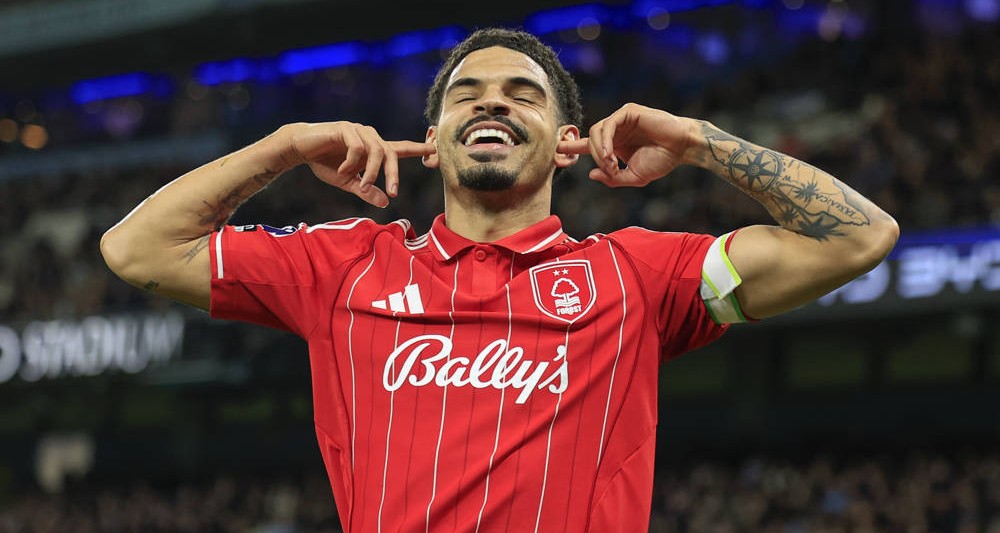
Gibbs-White has probably done more than any other English attacker outside the usual elite-club bubble to demand selection.
Fourteen goals, four assists and 3,020 Premier League minutes is a serious return. He has carried creative burden, emotional burden and goal burden for Forest, and he looks more mature, more decisive and more influential than ever.
For England, the question is whether he can transfer that centrality into a squad where he will not be the main man. Based on form, he has earned the chance. Fourteen league goals from attacking midfield is a statement.
Morgan Rogers, Aston Villa

Ten goals, six assists, 3,285 Premier League minutes and the ability to play as an attacking midfielder, left-sided forward or hybrid runner makes Rogers an easy case for this squad.
His argument also gains weight from Villa’s late-season surge. In the win over Liverpool that sealed Champions League qualification, Rogers opened the scoring before Watkins took over. He is someone who scores when it matters.
That is without going too far into his ridiculous form at the start of the season, when he obliterated his xG numbers. Which, for Villa fans, is very much a good thing.
Jude Bellingham, Real Madrid
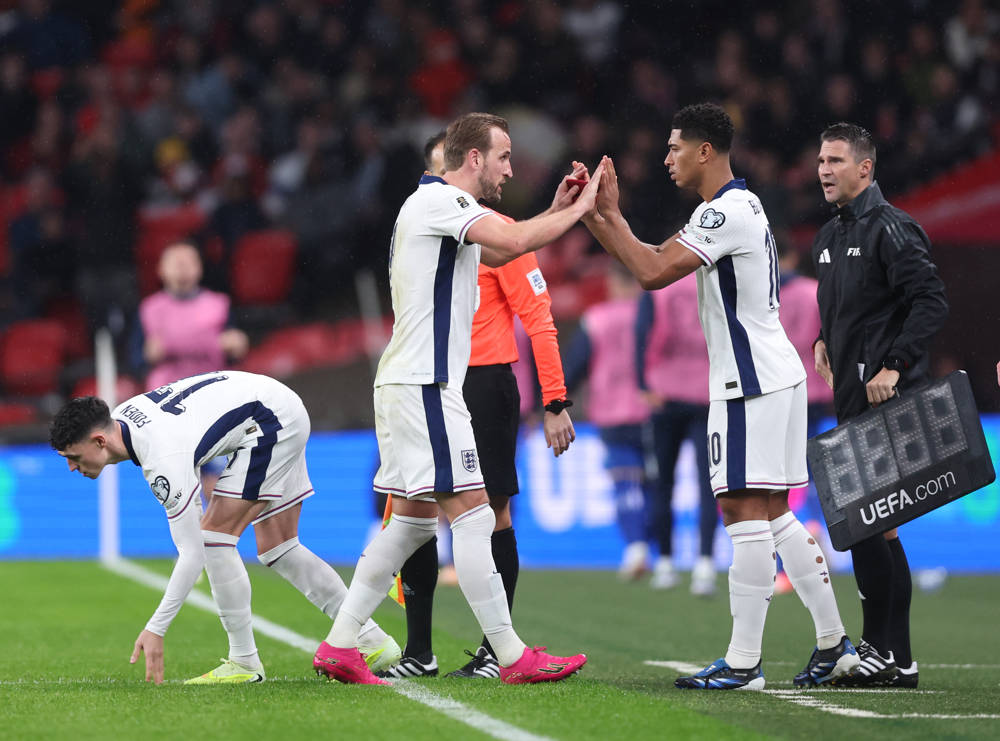
Bellingham is here because, even in a season that has not been built around absurd goal numbers, his all-round level remains high.
Five goals, four assists, 1,843 La Liga minutes and a 7.52 rating is still a strong return. He has also had 49 shots, 7.06 expected goals, created 36 chances, won 172 duels and made 101 recoveries. That is a midfielder still affecting games in multiple ways.
The one concern is volume. He has played fewer league minutes than Rice, Anderson, Rogers or Gibbs-White. But his form case remains strong because his involvement is so broad: shots, duels, recoveries, chance creation and penalty-box threat.
England need that.
Eberechi Eze, Arsenal

Eze is in here largely because of how important his goals have been. He has not had huge output across the whole season, but he has started deciding games, not just decorating them.
The hat-trick against Tottenham in November gave his campaign a proper headline moment, and he backed it up with another two goals in the return derby in February. Add his first Champions League goal against Bayer Leverkusen, plus goals against Manchester City and Newcastle, and you have a player whose best moments have come when the level has gone up.
There is also a practical element here: England need someone who can cover Saka. Eze gives them that, while also offering a different kind of attacking threat.
Dominic Calvert-Lewin, Leeds United

Calvert-Lewin has scored 14 Premier League goals in a Leeds team that does not create loads. That alone gives him a strong case.
His all-round game is also excellent. He can hold the ball up, bully defenders, compete in the air and offer far more than just finishing. When he plays, Leeds look better. They have a focal point, an outlet and a striker who can turn average service into territory.
His England value is obvious. He is an aerial No 9, a box striker, a target for direct spells and a player who changes the geometry of a game.
Ollie Watkins, Aston Villa

Watkins has surged at exactly the right time. Ten goals and four assists in his last 12 games is exactly the kind of late-season form this squad is supposed to reward.
The clearest proof came against Liverpool, when he scored twice as Villa sealed Champions League qualification with a 4-2 win. If you are looking at who is peaking as the World Cup approaches, Watkins’ case could hardly be stronger.
For England, he gives something Kane does not: constant depth-running. He can play on the shoulder, press, stretch centre-backs and make space for No 10s underneath. That makes him a genuine tactical alternative, not just another striker on the list.
Harry Kane, Bayern Munich

I do not need to spend long explaining why Ballon d’Or favourite Harry Kane is included.
He is still England’s best centre-forward, still one of the best strikers in world football and still the player who gives this attack its clearest reference point. In a squad picked on form, he remains unavoidable.
Check out our Feature Articles for more World Cup content.