20 May, 2026
The 10 Worst Players to get a Premier League Winners Medal
From bench-warmers to total transfer flops, we rank the 10 worst players to ever win a Premier League medal. Who do you think we missed?
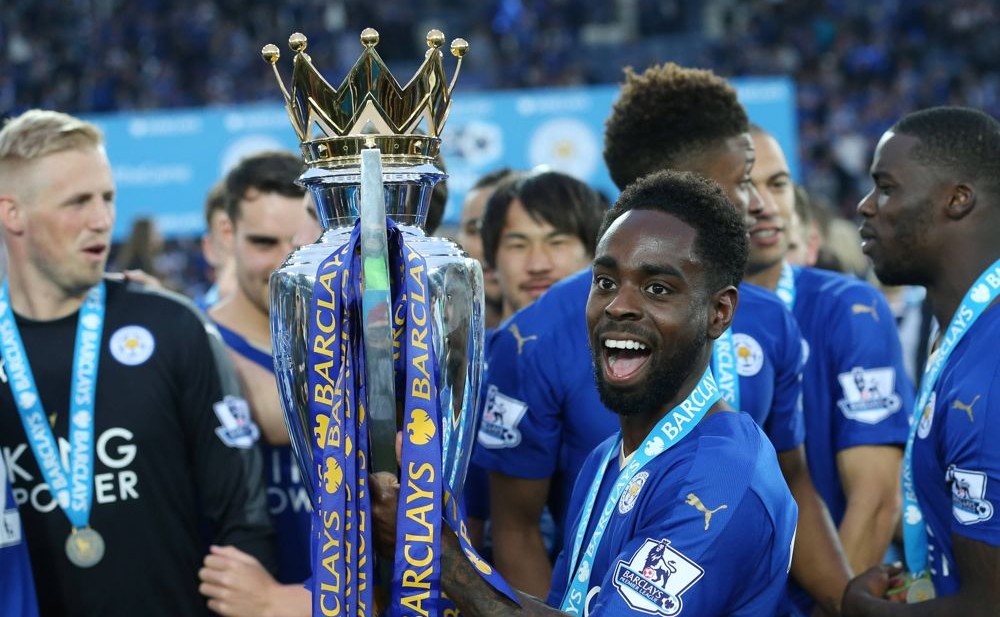
Arsenal are Premier League champions again, which still feels slightly strange to type after 22 years of false dawn. Mikel Arteta’s side finally got over the line after Manchester City’s draw with Bournemouth confirmed the title, ending the club’s wait since the Invincibles season of 2003/04.
Naturally, that means we can now move on to football’s most important post-title ritual: working out which players get to call themselves Premier League winners forever.
For every Thierry Henry, Roy Keane, Sergio Aguero and Virgil van Dijk, there is someone who technically owns the same medal despite spending large chunks of the season watching from the bench, the treatment room or, in one case, another football club entirely.
This is not a list of bad footballers. Nobody here was rubbish in the normal sense. You do not accidentally stumble into Manchester United, Arsenal, Manchester City, Chelsea etc unless you are very, very good at football. But in the specific world of Premier League winners, where the comparison group is made up of era-defining players, a few names do stand out as slightly funny.
Here are 10 of the most unlikely Premier League medal holders.
Ritchie de Laet, Leicester City, 2015/16
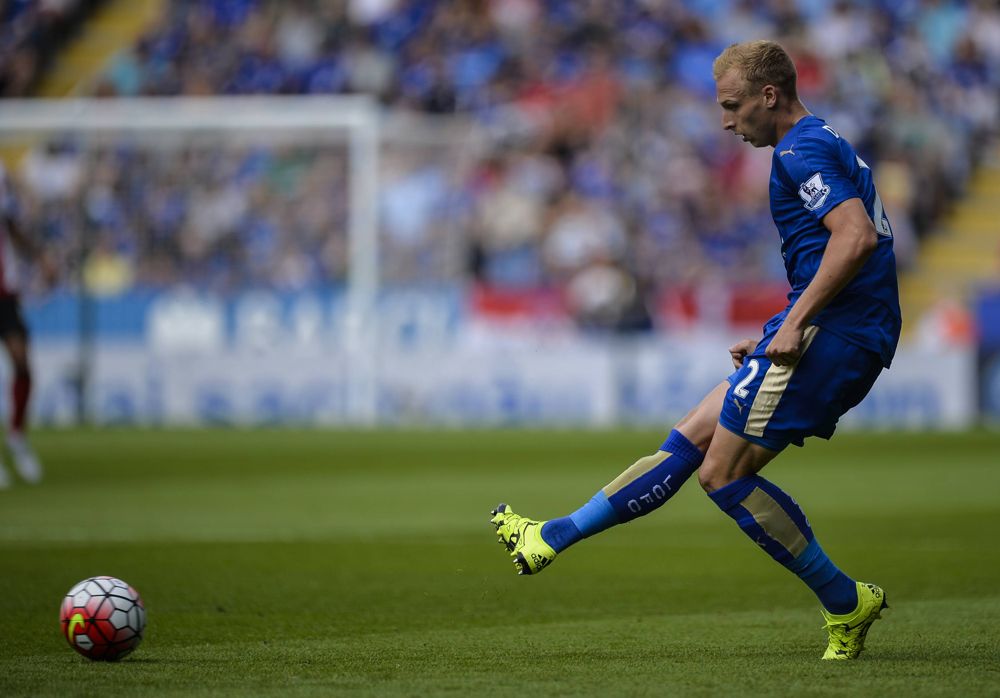
Ritchie de Laet’s 2015/16 season sounds like a Football Manager bug. He started Leicester’s first seven league games, made 12 Premier League appearances in total, then went on loan to Middlesbrough in February and helped them win promotion from the Championship. He ended the season with a Premier League winners’ medal and a Championship promotion on the same day.
Again, he is not a “bad player”. De Laet was a solid full-back and clearly contributed at the start of Leicester’s season. But once Danny Simpson took the right-back spot, Leicester’s title-winning machine really clicked without him. Winning a Premier League winners medal from the Championship is impressive.
Alexander Buttner, Manchester United, 2012/13
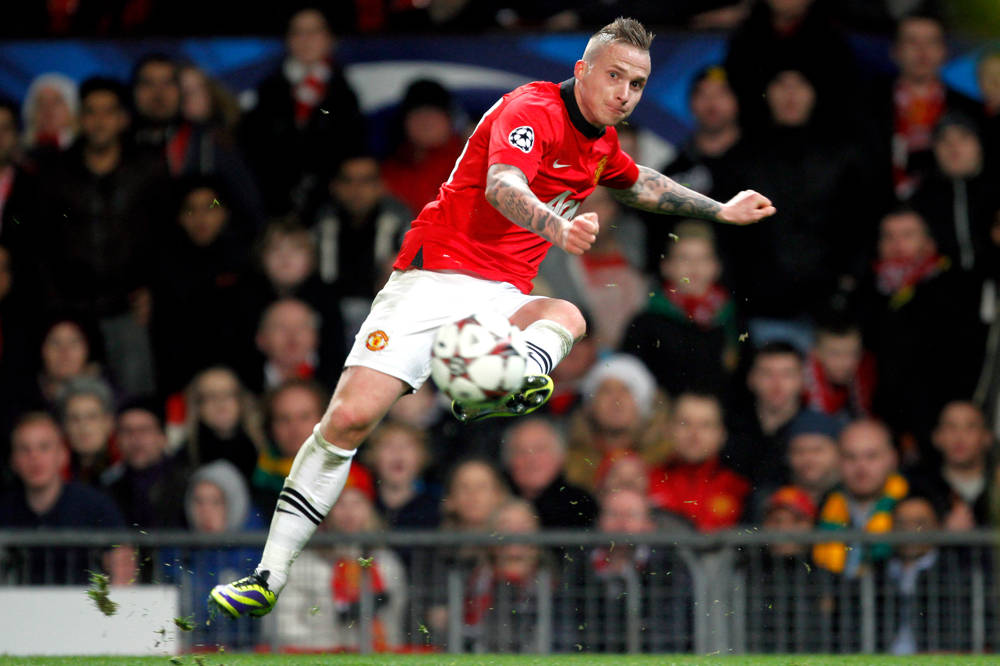
Alexander Buttner is basically the patron saint of this list. He made five Premier League appearances for Manchester United in 2012/13, the exact number required after the threshold had been reduced from 10. His fifth came on the final day of the season in Sir Alex Ferguson’s wild 5-5 farewell against West Brom, where Buttner also scored.
That is an incredible piece of medal-hunting efficiency. Five league games, two goals, one title, and a permanent seat at the “he has more Premier League medals than Steven Gerrard” table. Buttner was not awful for United. He had energy, attacked well and occasionally looked like a decent deputy for Patrice Evra. But when your entire title-winning legacy can be summarised as “played just enough and scored in the 5-5”, you are always going to rank highly in this particular list.
Daniel Amartey, Leicester City, 2015/16

Daniel Amartey is one of the great technicalities of the Leicester miracle. He joined in January 2016, made exactly five Premier League appearances and therefore hit the threshold for a medal. Five. Bang on the line.
This feels harsh because Amartey later became a useful Leicester squad player and had a perfectly respectable Premier League career. He was not some competition winner in shin pads. However, for the 2015/16 title itself, he was almost a postscript. Leicester’s title was really built by Kasper Schmeichel, Wes Morgan, Robert Huth, N’Golo Kante, Riyad Mahrez and Jamie Vardy. Amartey arrived late, did a small job, collected one of the most absurdly valuable medals in English football history and walked into quiz-night immortality.
Noni Madueke, Arsenal, 2025/26
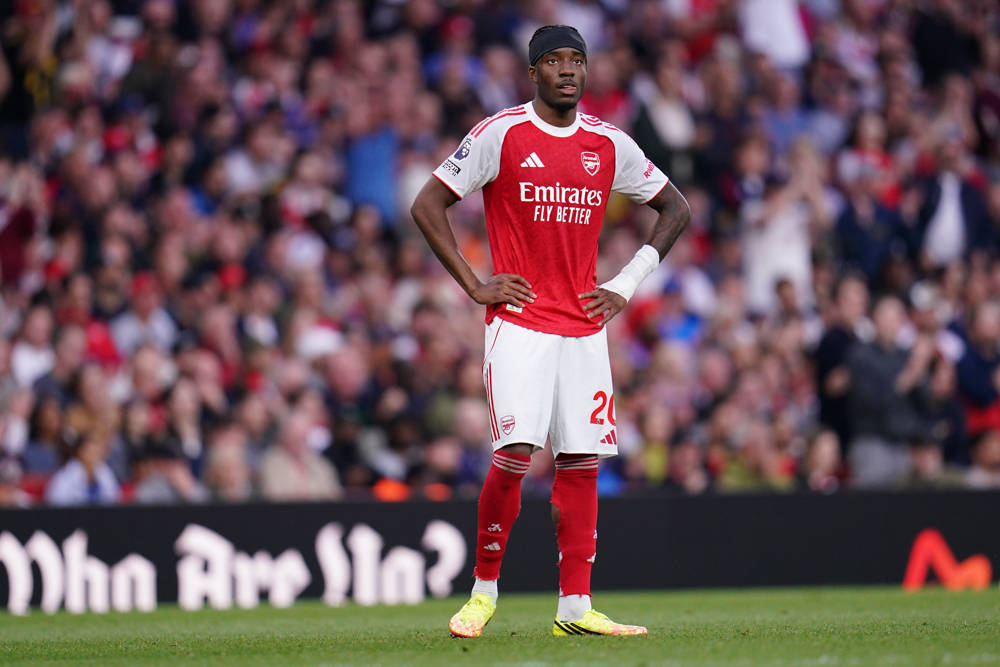
Noni Madueke is the awkward current one, which is always dangerous because nobody wants to look like they are writing off a 24-year-old winger who clearly has talent. He is also probably the harshest. He has 25 Premier League appearances.
The reason he makes the list is not because he has a solitary two goals and one assist in Arsenal’s title-winning season. In an Arsenal side built around control, defensive reliability and cold efficiency, Madueke often felt like the weak link. When people tell the story of this Arsenal title in 20 years, he probably gets mentioned somewhere after the set-piece coach.
Nathan Dyer, Leicester City, 2015/16
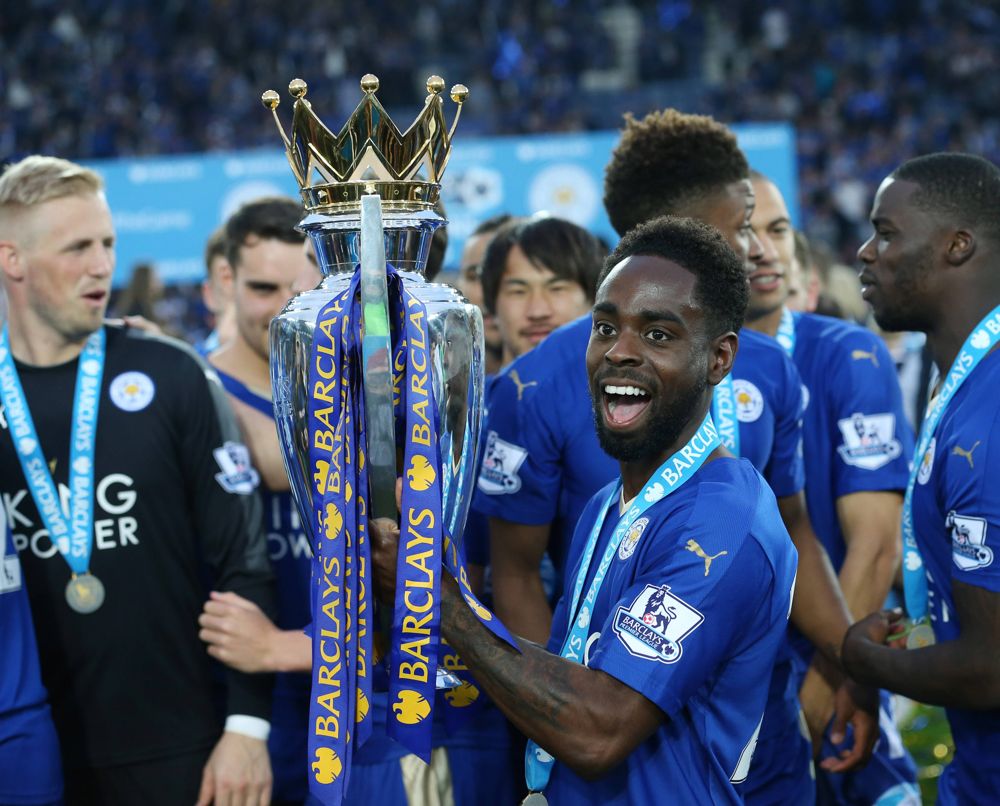
Nathan Dyer played 12 Premier League games for Leicester on loan from Swansea, so his medal is absolutely legitimate. He even scored one of the most memorable early-season goals of the campaign, bravely heading in a late winner at Aston Villa and getting flattened by Brad Guzan for his trouble.
Dyer’s place here is more about the sheer weirdness of the career line. Swansea winger goes on loan, plays a supporting role, then ends the season as a Premier League champion while his parent club finish 12th. He was quick, neat and a decent Premier League player, but he was not one of the defining faces of that Leicester side.
Jack Rodwell, Manchester City, 2013/14
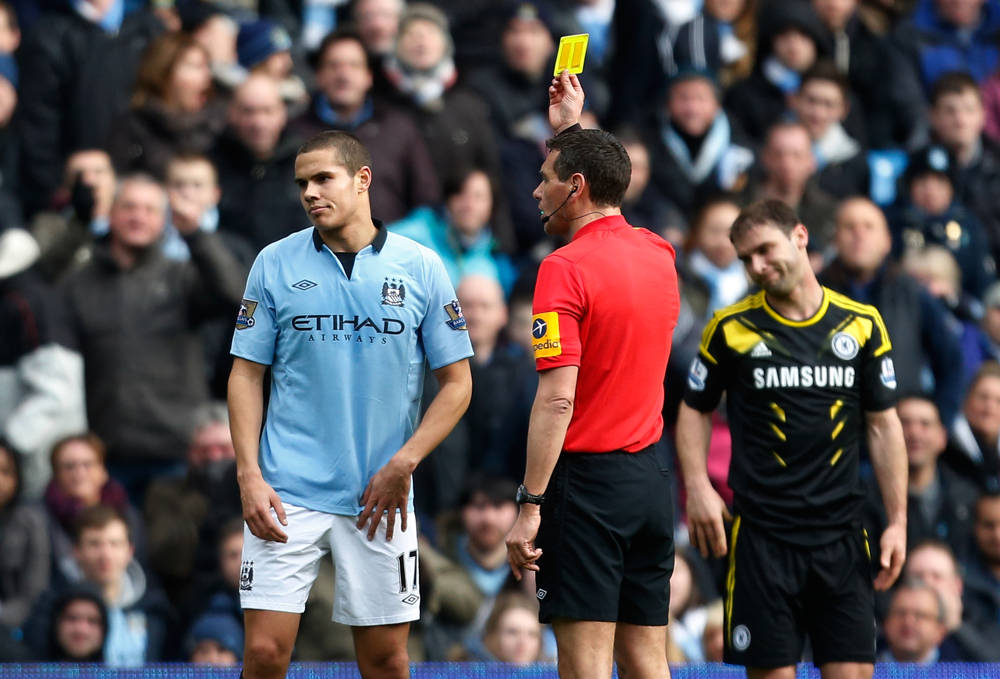
Jack Rodwell made five Premier League appearances for Manchester City in 2013/14, exactly enough to qualify for a winners’ medal under the modern threshold. His City career never really got going, mostly because of injuries, competition and the slight inconvenience of trying to break into a midfield that had Yaya Toure in it.
This one feels more sad than funny. Rodwell was a brilliant young player at Everton and looked like he could become an England regular. At City, he became someone good enough to be signed by a superclub but never fit or settled enough to matter there. A Premier League medal should be the peak of a career. For Rodwell, it almost feels like a strange souvenir.
Francis Jeffers, Arsenal, 2001/02
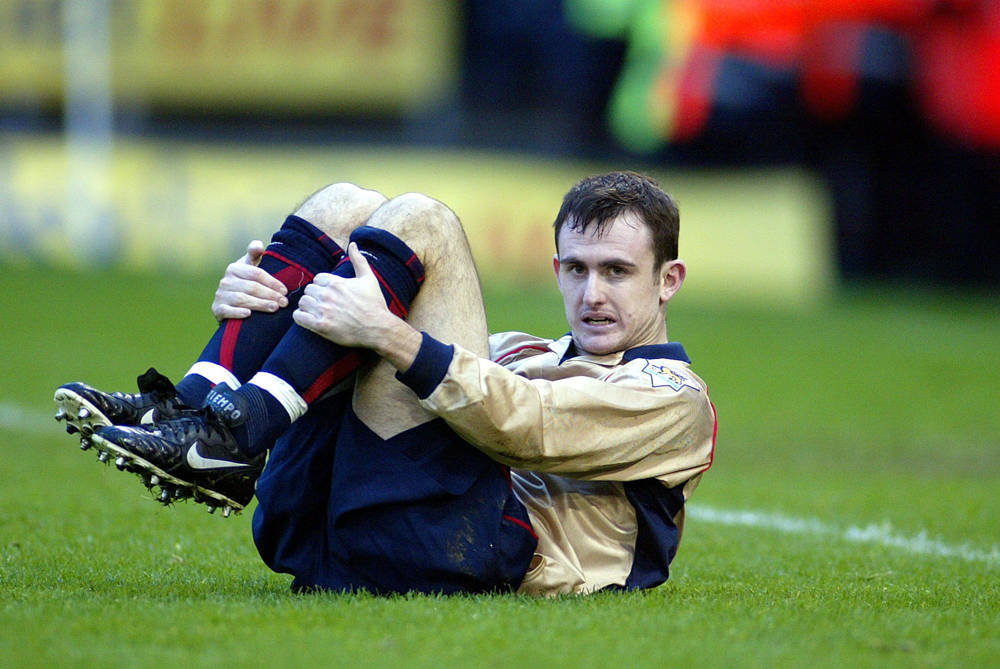
Francis Jeffers made six Premier League appearances and scored twice in Arsenal’s 2001/02 title-winning season, so he did enough to qualify. Arsenal won the Double that year, finishing seven points clear and going unbeaten away from home, but Jeffers was very much on the edge of the story rather than in the middle of it.
The phrase “fox in the box” still follows him around like a court order, which is unfortunate because it makes him sound like more of a punchline. Jeffers was a talented finisher whose body and circumstances did him no favours. The problem is that Arsenal’s attack at the time included Thierry Henry, Dennis Bergkamp, Sylvain Wiltord and Robert Pires arriving from midfield like a cheat code.
Eliaquim Mangala, Manchester City, 2017/18
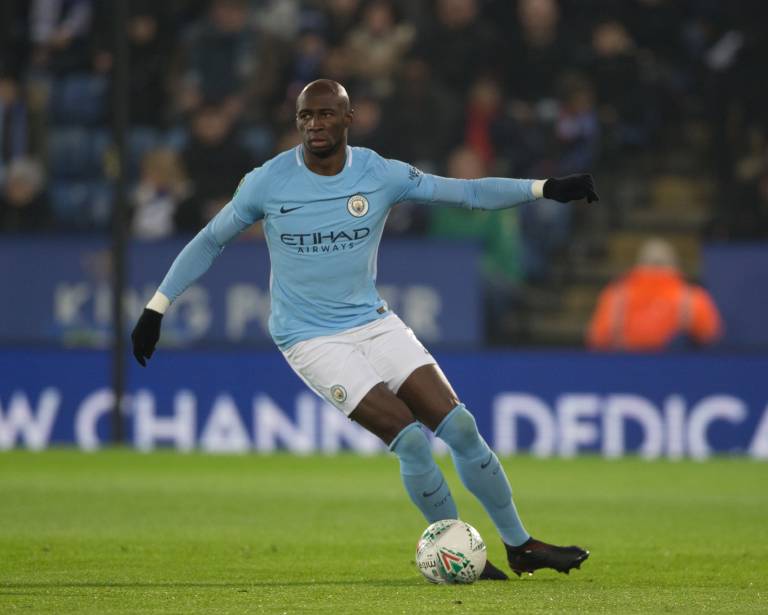
Eliaquim Mangala made nine Premier League appearances in Manchester City’s 2017/18 title season before joining Everton on loan in January.
Mangala’s inclusion is mostly about expectation. He arrived from Porto for serious money, had all the physical tools you could design in a lab, and never quite convinced anyone that chaos was not waiting around the corner. By 2017/18, City had become Pep Guardiola’s 100-point machine, a side of such technical precision that even their centre-backs looked like midfielders in disguise. Mangala, bless him, didn’t quite have that in his locker. Still, nine games is nine games. The medal counts.
Darron Gibson, Manchester United, 2010/11
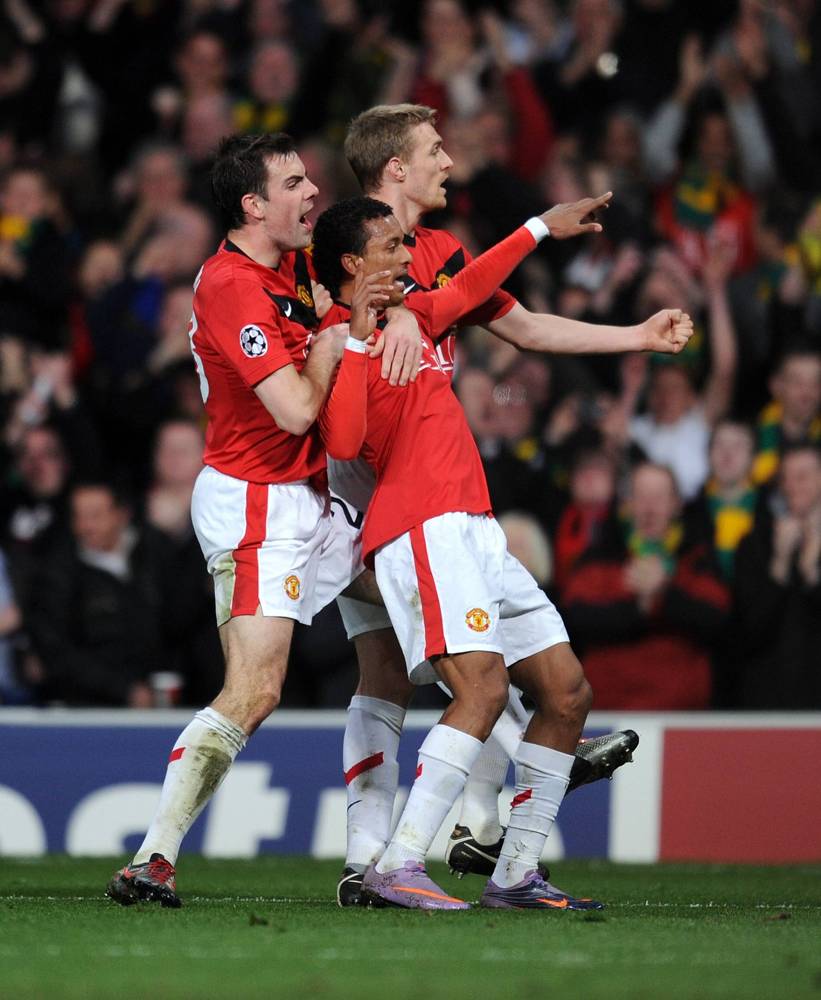
Darron Gibson’s Premier League medal is from 2010/11, making 12 appearances, which put him over the old 10-appearance threshold for a medal.
Gibson was not a mug. He had a ridiculous shot on him, scored some screamers and Sir Alex clearly trusted him enough to use him in proper games. But he also became a very specific kind of United squad player from the late Ferguson years. In a midfield history that runs from Keane and Scholes to Carrick and beyond, Gibson never stood out.
Check out our Feature Articles section for more fun insights.