01 Dec, 2025
The Most Brutal Clauses Hidden in FM26 Contracts
Don’t sign that! We reveal the most brutal and unfair hidden clauses lurking in FM26 contracts that can destroy your finances and ruin your save.

The Most Brutal Clauses Hidden in FM26 Contracts
If there’s one thing we love, it is finding the most challenging and tricky obstacle’s within Football Manager and overcoming them. But even some of these have caught me off guard. If this is your type of thing though, then make sure you check out our Most Cursed Saves article from last week for more fun rules and challenges.
Football Manager has always prided itself on giving players unparalleled depth in management, and nowhere is this more apparent than in its contract system. While most managers focus on wages, contract length, and release clauses, FM26 hides a treasure trove of nuanced, sometimes downright brutal clauses that can make or break a save. These clauses aren’t just numbers on a page—they dictate how players behave, how clubs negotiate, and ultimately how you strategize your career. For managers who think they’ve seen it all, FM26’s hidden contractual quirks are a masterclass in punishment and opportunity.
What Makes a Clause Brutal?
A “brutal” clause in FM26 isn’t just about a high wage demand or a sky-high release fee. It’s about clauses that:
-
Limit flexibility – forcing you to make difficult squad decisions.
-
Punish poor performance – hitting your budget or squad morale if conditions aren’t met.
-
Lock players in – making it near impossible to offload certain squad members.
-
Trigger unexpectedly – often after multiple seasons, catching you off guard.
In short, these clauses are hidden traps that reward only the most careful and strategic managers. Ignoring them can lead to financial ruin, squad imbalance, or even managerial sackings.
Our Approach: Scouring FM26 Contracts
To compile this list, we dug deep into the FM26 database and community knowledge. We looked for:
-
Clauses that impact finances over multiple seasons, including incremental wage rises, appearance bonuses, and loyalty incentives.
-
Performance-related triggers, like goals, assists, clean sheets, and national team appearances.
-
Release clauses that are either absurdly low for star players or astronomically high for fringe squad members.
-
Unusual or rare clauses like “mandatory loan back”, “homegrown player appearance quotas”, or “minimum play time guarantees.”
The goal was to highlight clauses that could completely derail an unprepared manager while also offering strategic advantages if used wisely.
The Most Brutal Clauses in FM26
1. Gigantic Wage Inflation Clauses
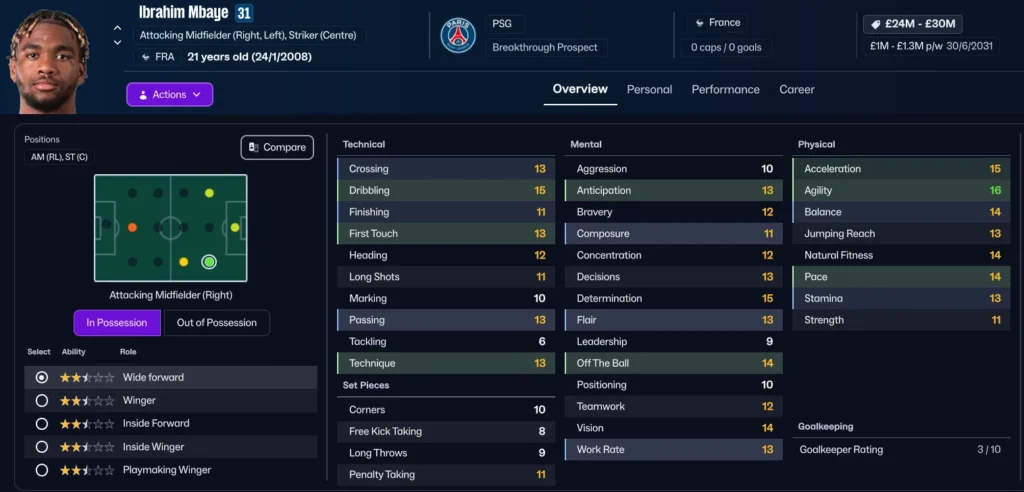
Some contracts in FM26 include incremental wage rises tied to appearances, goals, or squad bonuses. Imagine signing a 22-year-old with a reasonable €20k weekly wage, only to see it balloon to €60k–€70k after two stellar seasons. Without careful budget management, these can leave your club bleeding money.
Pro tip: Always simulate future wage increases and factor them into your transfer strategy. A player who seems cheap today can bankrupt your wage structure by next season.
2. Mandatory Playtime Clauses
These clauses guarantee a player a minimum number of appearances per season. While this seems fair, it can backfire if your tactical system changes or a player suffers a dip in form. Missed quotas often lead to angry players, board disapproval, and potential fines.
Example: A young talent on a 25-match minimum clause can disrupt your rotation plans, forcing you to field a misfiring star instead of your preferred lineup.
3. Release Clauses That Bite Back
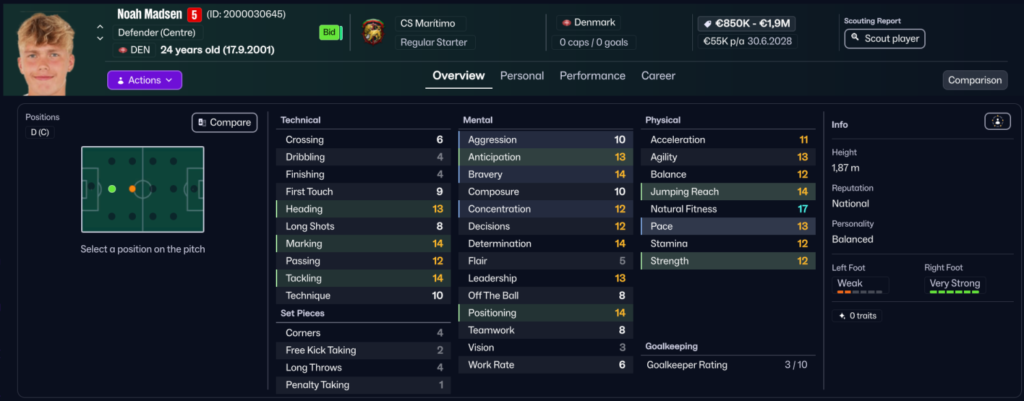
Most FM players are familiar with release clauses, but FM26 hides some with nasty quirks:
-
Hidden low-value buyouts: Star players with €5M release clauses in tiny leagues can be snatched by rivals.
-
Conditional high-value buyouts: If a player reaches a certain number of appearances or wins an award, the clause skyrockets, making resale almost impossible.
These clauses test your foresight and negotiation skills, rewarding managers who scout the fine print.
4. Performance-Linked Bonuses
From goals to clean sheets to international caps, FM26 often ties bonus payments to player achievements. While motivating, they can be brutal if multiple stars achieve targets simultaneously, draining your wage budget in a single window.
Example: Five players hitting their appearance bonuses in the same month can spike your monthly wage bill by 25–30%. Unplanned, this can force emergency player sales or even board panic.
5. Loyalty and Termination Clauses
Some contracts include loyalty incentives or automatic contract extensions if certain conditions are met. If a player unexpectedly extends their contract, it can lock you into a wage-heavy squad for multiple years. Conversely, some contracts penalize you if you terminate early, hitting your transfer balance hard.
6. Rare, Nightmare Clauses
FM26 also contains oddities like:
-
Mandatory loan-back clauses – the player must be loaned back to their old club if sold.
-
Homegrown quotas – forcing you to play domestic talent at the expense of tactical logic.
-
Appearance-linked reputation effects – certain milestones boost the player’s media presence, inflating future wage demands.
These clauses are rare but can completely reshape a save if you’re unprepared.
Conclusion: Survive or Thrive
The hidden brutality of FM26’s contract system is part of what makes the game endlessly compelling. These clauses challenge even the most seasoned managers to plan several seasons ahead, manage budgets meticulously, and balance squad harmony with performance demands. While they can destroy careless managers, they also offer strategic opportunities: a well-timed contract extension or bonus negotiation can secure long-term dominance and squad stability.
So next time you sit down to sign a player, don’t just glance at the wage and release clause. Dig deeper. Read the fine print. Analyse bonuses, appearances, and loyalty conditions. Your career may depend on it. And for those who master these hidden brutalities, FM26 rewards you with the ultimate managerial satisfaction: building a successful team against all contractual odds.
Make sure you check out our Feature Articles Section for more great FM26 content and Tips.